

Los Angeles Geocaching: The Perfect Hobby For Kids
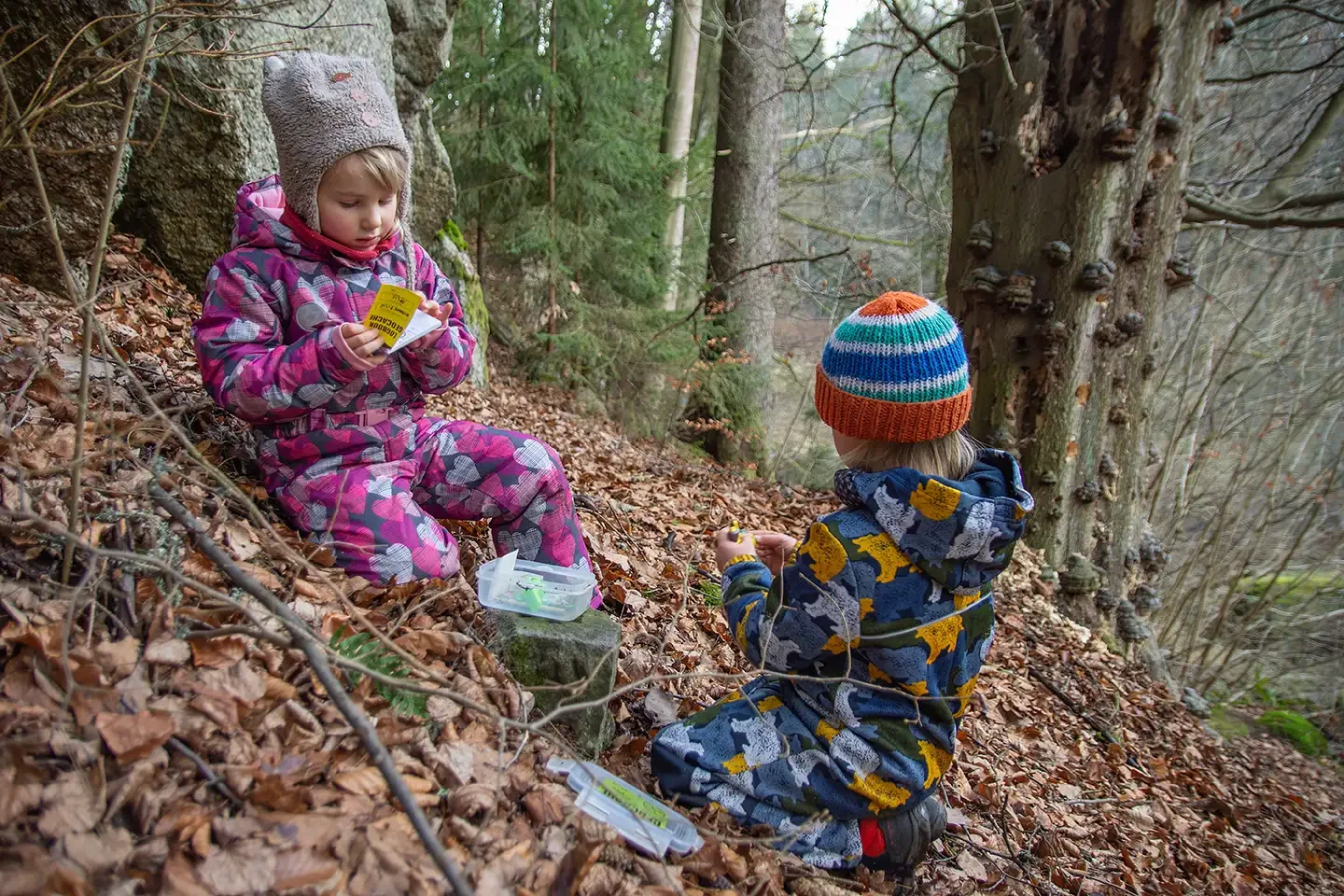
Create memories
Geocaching with Kids in Los Angeles: A Beginner's Guide to Family Treasure Hunting
Looking for fun things to do with kids in Los Angeles that don't involve another trip to the mall or hours in front of a screen? Geocaching may become your family's newest adventure.
As a former special education teacher for more than 20 years, I've always been fascinated by activities that encourage children to think, explore, and solve problems while having fun. When I first heard about geocaching years ago, I honestly didn't understand the appeal.
"Wait...people hide containers, then give everyone the GPS coordinates? Doesn't that ruin the surprise?"
Not at all.
The coordinates only get you close. The real adventure begins when you arrive.
Standing within twenty or thirty feet of the hidden cache, you'll suddenly realize that what seemed simple has become a fascinating puzzle. Is it under a rock? Attached to a fence? Hidden inside a hollow log? Camouflaged to look like part of the landscape?
Before you know it, your entire family is searching together, laughing, making guesses, and refusing to give up.
That's when I understood why millions of people around the world have become geocachers.
What Is Geocaching?
Geocaching is often described as a real-world treasure hunt.
Using a smartphone and the official Geocaching® app or another GPS app, families search for hidden containers called geocaches. Every cache has GPS coordinates that lead you to its approximate location.
Once you're close, the technology takes a back seat.
That's where observation, patience, teamwork, and curiosity take over.
Some geocaches are as large as an ammunition can filled with small toys and trinkets. Others are tiny magnetic containers no bigger than your thumb. Many include a logbook where you sign your name before returning the cache exactly where you found it.
Today there are millions of active geocaches hidden throughout the world, including thousands throughout Los Angeles County.
One weekend you might find yourself exploring a neighborhood park in Glendale. The next, you could be hiking a trail in the San Gabriel Mountains or discovering a quiet historic location you never knew existed.
Why Geocaching Is Perfect for Families
Parents often ask me for ideas that keep children active without hearing the dreaded phrase:
"I'm bored."
Geocaching has a unique advantage.
Children don't think they're exercising.
They think they're on a mission.
The destination isn't the reward.
The search is.
Instead of asking, "How much farther do we have to walk?" children begin asking:
"Where do you think it's hidden?"
"Let's keep looking!"
"I think I found something!"
As a teacher, I watched countless students become more engaged whenever learning felt like a game rather than an assignment.
Geocaching works the same way.
Children practice important thinking skills without realizing they're learning.
Kids Learn Technology the Right Way
Technology isn't the enemy.
Passive technology is.
Geocaching turns smartphones into tools rather than distractions.
Children quickly learn that GPS isn't magic. It has limitations. Trees, buildings, and weather can affect accuracy. Sometimes the app says you're standing exactly where the cache should be—but it isn't there.
Now what?
That's where critical thinking begins.
Kids start comparing the map to their surroundings.
They learn about:
GPS navigation
Latitude and longitude
Reading digital maps
Estimating distance
Direction finding
Problem solving
Sometimes your phone's compass even needs recalibrating.
Children quickly discover an important lesson:
Technology is helpful—but it still requires human thinking.
That's a lesson that extends far beyond geocaching.
Geocaching Builds Problem Solvers
One thing I loved about teaching was watching students learn that persistence often matters more than getting the right answer immediately.
Geocaching naturally teaches perseverance.
When you arrive near a cache, nothing jumps out at you.
Instead, everyone starts asking questions.
"If I were hiding something here..."
"What would protect it from the rain?"
"What would make it invisible?"
"What looks...different?"
Children begin looking under benches, behind signs, inside hollow logs, beneath rocks, around tree roots, and in places they might normally ignore.
They're developing observation skills.
They're making predictions.
They're testing ideas.
They're revising those ideas when something doesn't work.
That's exactly how good problem solvers think.
Even when you don't find the cache, you've learned something.
Sometimes another geocacher reports online that the cache has disappeared or needs maintenance. That's simply part of the adventure.
Failure becomes information—not defeat.
Learning Respect for Nature
One of my favorite parts of geocaching isn't finding the cache.
It's seeing the places the cache brings you.
There is an unwritten tradition within the geocaching community:
Cache In, Trash Out (CITO).
The idea is simple.
Whenever you visit a geocache, leave the area cleaner than you found it.
Pick up a few pieces of litter.
Respect plants and wildlife.
Stay on marked trails whenever possible.
Leave natural areas better than they were before your visit.
This simple habit teaches children that enjoying nature also comes with responsibility.
Instead of simply using parks and hiking trails, kids begin caring for them.
That's a lesson they'll carry for life.
Geocaching Gets Kids Moving Without Complaints
Let's be honest.
Convincing children to "go exercise" doesn't always go over well.
Tell them you're going on a treasure hunt?
That's a different story.
Before they know it, they've walked a mile or two.
They've climbed hills.
Balanced on rocks.
Crawled under branches.
Explored trails.
All while focused on solving a mystery instead of counting steps.
For families throughout Glendale, Burbank, Pasadena, La Crescenta, Montrose, and Los Angeles, geocaching is an inexpensive way to spend an afternoon outdoors together.
Many geocaches are hidden in neighborhood parks, while others lead you to scenic overlooks, historical landmarks, public art, and beautiful hiking trails you may never have discovered otherwise.
Every Adventure Looks Different
One of the things I appreciate most about geocaching is that every family can make it their own.
Have toddlers?
Choose short, easy caches in local parks.
Have older children?
Try mystery caches or multi-cache adventures that require solving clues before reaching the final location.
Want a quick outing after dinner?
Find a nearby cache within walking distance.
Looking for a weekend adventure?
Plan a day exploring different neighborhoods around Los Angeles while collecting several caches along the way.
There isn't one right way to geocache.
The journey becomes whatever your family needs it to be that day.
You May Discover More Than a Treasure
One surprise many first-time geocachers mention is how differently they begin seeing their own city.
Suddenly, ordinary places become interesting.
That quiet neighborhood park you've driven past a hundred times?
There's probably a cache there.
A historic building you've never noticed?
Someone may have hidden a geocache nearby to introduce visitors to its history.
A scenic overlook above Glendale?
There may be a cache waiting there too.
Geocaching encourages curiosity.
Instead of rushing from one activity to the next, families slow down and notice details they would normally miss.
And sometimes, that's the greatest treasure of all.
Geocaching Teaches Patience in a World of Instant Gratification
We live in a world where answers arrive instantly. If we want to know something, we ask our phone. If we want entertainment, we stream it in seconds.
Geocaching is refreshingly different.
Sometimes you'll spend twenty minutes looking for a container that's only two inches long.
You'll search under rocks, inspect tree stumps, look beneath benches, and check fence posts before finally spotting it hidden in plain sight.
Children quickly learn that not every reward comes immediately.
That lesson is becoming increasingly valuable.
Patience, persistence, and careful observation are skills that help children succeed in school, sports, friendships, and eventually their careers.
What Should You Bring Geocaching?
You don't need expensive equipment to get started.
Most families already own almost everything they'll need.
Consider bringing:
A fully charged smartphone with a geocaching app
A portable battery pack for longer adventures
A pen (many caches include a logbook but not a pen)
Water bottles
Comfortable walking shoes
Sunscreen
Insect repellent during warmer months
Small toys or trinkets if you plan to trade
Hand sanitizer
A small trash bag for the "Cache In, Trash Out" tradition
One thing experienced geocachers quickly learn is that preparation makes the day much more enjoyable.
Types of Geocaches You May Find
Many first-time geocachers don't realize there are several different kinds of caches.
Traditional caches are the easiest and most common. You simply navigate to the coordinates and begin searching.
Multi-caches involve finding one cache that contains clues leading to the next location.
Mystery caches require solving puzzles before you even begin your search.
EarthCaches don't contain physical containers at all. Instead, they teach visitors about unique geological features and natural history.
Virtual caches encourage you to visit a special location and complete a task instead of finding a hidden container.
Trying different cache types keeps the hobby fresh, even after you've found dozens of them.
Screen Time That Leads Outside
Many parents worry about how much time children spend looking at screens.
Geocaching offers a healthy balance.
Yes, children use a phone.
But instead of sitting indoors watching videos, they're using technology to explore parks, hiking trails, historical landmarks, public art, and neighborhoods they might never have visited otherwise.
The phone becomes a tool instead of the destination.
That's a powerful shift.
Geocaching Throughout the Seasons
One of the best things about living in Southern California is that geocaching isn't limited to one season.
Unlike many parts of the country, families throughout Glendale and Los Angeles can enjoy outdoor adventures nearly year-round.
Spring offers blooming wildflowers and comfortable temperatures.
Summer is perfect for morning geocaching before the afternoon heat arrives.
Fall brings cooler weather and beautiful hiking conditions.
Even winter often provides sunny afternoons that are ideal for exploring local parks and trails.
Each season offers a different experience, and many geocachers enjoy revisiting favorite locations throughout the year.
Create Family Traditions
Some of the strongest childhood memories aren't expensive vacations.
They're simple traditions repeated year after year.
Maybe your family goes geocaching every Saturday morning.
Maybe everyone chooses one new cache to find on each birthday.
Perhaps every holiday break includes a special geocaching adventure somewhere new in Los Angeles.
Children often remember these traditions long after they've forgotten what toys they received that year.
Don't Forget to Capture the Adventure
As a family photographer, I often hear parents say the same thing after a fun outing:
"I wish I had taken more pictures."
Geocaching creates wonderful opportunities to photograph your family naturally interacting together.
Instead of asking children to smile at the camera, photograph them studying a map, climbing over rocks, searching beneath tree roots, or celebrating after discovering a hidden cache.
Those genuine expressions often become your favorite images because they tell the story of your family's adventure.
Of course, phone snapshots are wonderful for everyday memories.
But every once in a while, it's worth stepping into the picture yourself.
Many parents have thousands of photographs of their children—but very few that include Mom and Dad.
Scheduling a professional family photography session in Glendale or Los Angeles allows everyone to be part of the story. After all, your children won't remember every cache you found together, but they'll treasure photographs that remind them of the adventures you shared.
Frequently Asked Questions About Geocaching
Is geocaching free?
Yes. The official Geocaching app offers free access to millions of geocaches around the world. A premium membership is available for families who want access to additional caches and extra features, but many people enjoy the hobby for years using the free version.
Is geocaching safe for children?
When practiced responsibly, geocaching is a wonderful family activity. Parents should always supervise younger children, stay on marked trails whenever possible, pay attention to weather conditions, and avoid reaching into places where wildlife may be hiding.
What age is best for geocaching?
Almost any age can participate.
Toddlers enjoy helping search for larger caches in parks.
Elementary-age children often become enthusiastic treasure hunters.
Teenagers enjoy the challenge of solving mystery and multi-caches.
Adults usually discover they enjoy the adventure just as much as their kids.
What if we can't find the cache?
Don't worry—it happens to everyone.
Even experienced geocachers occasionally come up empty-handed. Sometimes a cache has been moved, damaged, or accidentally removed.
The important part isn't finding every cache.
It's enjoying the adventure together.
Why Families Love Geocaching
As both a former teacher and a family photographer, I've come to appreciate activities that bring families together while helping children grow.
Geocaching encourages curiosity instead of passively consuming entertainment.
It teaches patience, observation, teamwork, resilience, and respect for nature.
It gets children moving without making exercise feel like a chore.
Most importantly, it gives families something increasingly difficult to find in today's busy world:
Shared experiences.
Years from now, your children probably won't remember every toy they received or every television show they watched.
But they'll remember searching for hidden treasures, laughing together when everyone overlooked the cache sitting right in front of them, and celebrating each discovery as a family.
Sometimes the greatest treasure isn't hidden in the woods at all.
It's the memories you create while searching together.
You May also Like to Read: Creating Better Cell Phone Pics