


Issues to Deal With After Giving Birth

The moment you hold your newborn for the first time, your heart will be filled with a joy you've never experienced. But, your body has just been through an extremely stressful ordeal, and it will take some time before you're feeling your best. Meanwhile, you will have some issues to deal with.
Postpartum Depression
It's completely normal to feel emotional after giving birth. You're entering a new phase of your life, and your hormones are out of balance. You may find that you're crying more than usual or easily irritated by small, unimportant matters. You may feel overwhelmed or anxious sometimes.
However, for about 15 percent of new moms, the feelings are more severe and unrelenting.
These women are experiencing postpartum depression. Symptoms include sadness, low self-esteem, guilt, lack of enjoyment, and changes in eating and sleeping. See your doctor if you suspect you might have postpartum depression.
Body Confidence Issues
Your body has just carried another human being for nine months. It's not going to snap back immediately, and you shouldn't compare yourself to body images you see in the media. Give yourself time to recover, and pamper yourself if you can.
Eating regular, healthy meals and exercising will help you lose the "baby weight" and rebuild your self-confidence. Topical creams and laser treatments can help get rid of stretch marks. If you're nursing, invest in a good bra to give you the support you need. A new haircut or manicure can also help you feel better.
Sleep Problems
Sleep problems after childbirth are so common, there's a name for it: postpartum insomnia. The combination of hormone imbalance, new emotions, and constantly nursing and tending to a baby can cause you to have problems falling asleep and sleeping through the night.
It will take a few weeks, but you can get into a healthy sleep routine. Try to avoid caffeine, and set aside some time in your busy schedule for relaxation or meditation. Keep your bedroom dimly lit and quiet at night, even if you're getting up to feed the baby. Your body will get back into a regular sleep rhythm soon.
Knowing how your body and your emotions might react after childbirth can prepare you for any issues that may come up. Every new mom is different, but all of them will struggle with something. Be kind to yourself and anticipate the disruptions.
Did you enjoy reading this article? Here’s more to read. What To Expect From A Fine Art Portrait Studio

How to Feel More Confident About Your Children’s Diet

It can be difficult to know what to feed your child. The internet is full of misinformation that thrives off of reactionary articles that get attention for being extreme – not for being accurate.
Not to mention the difficulties that come with navigating the modern food industry.
Follow Their Pediatrician’s Advice
Doctors are going to understand the modern landscape of children’s health better than you will. They also will know how to tell the difference between misinformation and scientifically viable data. They will be able to tell you what is best for your child.
They will also be able to diagnose any potential problems that your child has, as well as prescribe or suggest proper treatments. Ultimately, it is always in your best interest to trust your doctor. Make sure that your child follows the instructions that their doctor gives them.
Look at the Ingredients
Companies are legally required to be honest about what their products contain. You should always check the ingredients to make sure that it doesn’t contain inordinate amounts of unhealthy fats, sugars, or sweeteners. Be on the lookout for corn syrup and high-fructose corn syrup especially.
Learn how much a gram is – since many companies actually put the amount of sugar in grams so that consumers won’t know how much sugar is in their product. Also make sure to check the serving size, since oftentimes the company will be telling you nutrition facts about a fraction of the entire package. Even granola bars often contain a lot of added sugars.
A Healthy Balance
At the end of the day, the best thing you can do is make sure that your child gets a healthy balance of proper nutrients from a variety of sources. Carbohydrates, proteins, fibers, and fresh ingredients need to all be present. That’s not always easy with a picky eater – but don’t be afraid to try new things! Fresh produce is absolutely essential for a growing child. And beyond their diet… you need to make sure that they are getting enough outside activity and exercise. Only then will your child have the proper healthy balance that they need.
Avoid forcing kids to finish everything on their plate. Let your child to tell you when they are full and finished eating. They will naturally regulate the amount they eat.
Be sure to have new foods at the ready. It may take up to 10 or15 times of offering a food before your child will want to eat it. Introduce new foods one at a time and be sure to offer it with foods that your child already enjoys.
Research and education are very important when it comes to preparing and helping your children to eat healthy. Make sure you know what ingredients you’re looking at. Don’t hesitate to search for an ingredient that you aren’t familiar with. Provide the balance that they need, and you’ll both be happy with how they grow.

Changes You Should Make When You Get Pregnant

Life is full of changes. Few changes can impact your life the way getting pregnant can. After all, your body is growing a whole new person. It’s only natural for that to impact most, if not all aspects of your life. As such, there are a few changes that you may need to make when you’re pregnant.
Start Exercising
Exercising while you’re pregnant can be highly beneficial, physically, mentally, and emotionally. If you’re not usually very active, find some healthy exercises to do while you’re pregnant that you enjoy. Swimming, yoga, pilates, low-impact aerobics, and walking can all be great forms of exercise when you’re pregnant. If you’re already active, you can always change the activities you’re doing if that’s what you feel is best or if that’s what your doctor recommends. However, there’s a good chance that you’ll be given the okay to continue exercising as you have been.
Adjust Your Diet
You may need to make some adjustments to your diet when you’re pregnant. Eating a nutritious, balanced diet is more important than ever. Remember, your body will be using the nutrients you eat to help build your baby. Your body will need more calcium, folic acid (also known as folate or vitamin B9), iron, and protein. As such, when you’re pregnant, fresh fruits and vegetables become even more important. You may find it helpful to take a multivitamin to make sure you get all the vitamins and minerals you need. Try to limit your intake of caffeine and low mercury fish, and avoid alcohol, high mercury fish, unpasteurized foods, and raw meats.
Pay Extra Attention to Oral Health
You’re probably already doing a good job taking care of your teeth. Give your mouth a little extra attention while you’re pregnant though. The mouth carries a lot of bacteria, and your body may not react the same while you’re pregnant because of all the changes it’s undergoing. Practice good oral hygiene and see your dentist for regular exams and cleanings to keep your mouth as healthy as possible.
Being pregnant means experiencing changes on a seemingly constant basis. Some of those changes are things that happen simply because you’re pregnant, while others will be changes that you make for the benefit of both you and your baby. If you’re ever unsure about what sorts of changes you should make while pregnant, talk to your doctor about what they recommend for you.
Check out this article on how to get over boredom during pregnancy!

How Families Can Prepare Financially for Their First Child
Starting a family is a serious commitment. Not only is it a serious emotional task that you need to undertake, but you also need to prepare financially. Here are the initial steps you can take to ensure that you have the essentials for your children.

Starting a family is a serious commitment. Not only is it a serious emotional task that you need to undertake, but you also need to prepare financially. Here are the initial steps you can take to ensure that you have the essentials for your children.
Build Up Savings
A robust savings account is a must-have. In fact, that’s a good standard for life, not just for children; a savings account can make the difference between survival and disaster during an emergency. Savings are necessary for retirement, for children’s education, and for making sure you have a safety net in case you were to lose your job. Ideally, you would have started saving as soon as you became employed. If that’s not the case, try to save as much as you can for months or years before you have your first child. Do what you can to have those safety nets already in place. Thus, you will be able to afford the most important insurances and other essentials in your time of need.
Get Life Insurance
In the case of a tragic accident leading to the death of a parent, life insurance guarantees a significant payout that helps support the family during the grieving process. Not only does it help support, but it can actually be lifesaving – especially if the deceased parent in question was the primary breadwinner. It’s important to have life insurance the instant you have a child. You don’t want an unthinkable accident to leave your child struggling for basic necessities. Consider getting a more inclusive insurance plan as well; it’s just as important for a stay-at-home parent to have life insurance as a working spouse.
Calculate and Budget
Budgeting is critical not only for parenthood but for being financially autonomous in general. By planning and budgeting your future baby’s immediate costs, you will be able to see more clearly how they will factor into the coming months and years. Do adequate research to get a realistic estimation of the costs of birth, as well as the initial first few years of infancy. Will the costs be crippling enough to cause a serious financial problem? If so, you may want to consider saving for a bit longer.
The most important thing you can do is ensure that your child will have the basic necessities of life. Nutritious food, clean water, shelter, a healthy environment, and unconditional love are what they will need the most. Make sure that you have the finances to provide that – and you will be okay.
Check out these photos you must take at your child’s first birthday!

How to Keep Your Home Healthy and Clean
It is important to make sure that your home is a clean and healthy environment. This will help you to be healthier and more comfortable as you’re spending time at home. This is especially important if you have babies or young children, since even minor problems can cause them to become sick. Here are a few tips that will help you to keep your home healthy and clean.
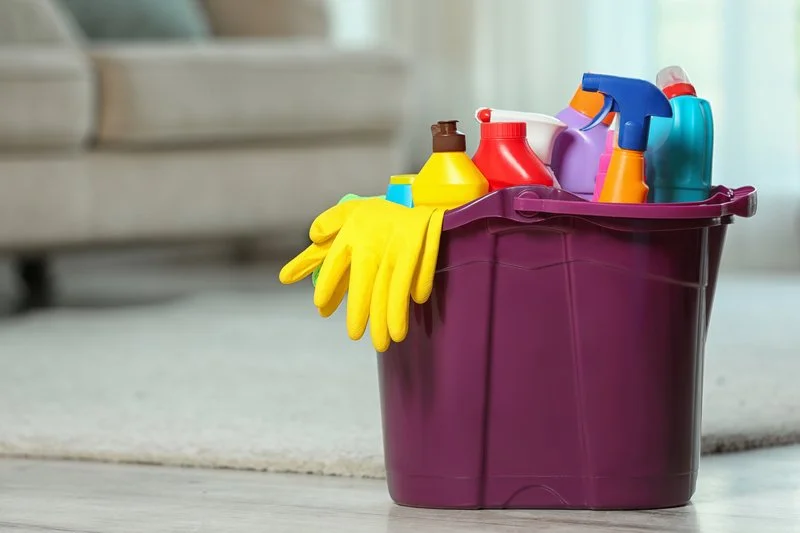
It is important to make sure that your home is a clean and healthy environment. This will help you to be healthier and more comfortable as you’re spending time at home. This is especially important if you have babies or young children, since even minor problems can cause them to become sick. Here are a few tips that will help you to keep your home healthy and clean.
Maintain a Cleaning Schedule
First of all, it is important to maintain a cleaning schedule. Set a schedule for all of the weekly cleaning that you need to get done. For example, you’ll want to clean your bathrooms, kitchen, bedrooms, and living spaces. You’ll want to vacuum, disinfect, clean, and more. You can split up tasks to make sure that something gets done every day rather than trying to get it all done on the weekend. Try to share the load with some of your family members if that will help you to get all of the necessary cleaning done each week.
Don’t Wear Shoes in the House
Another tip that can help you to keep your home healthy and clean is to avoid wearing shoes inside your house. Removing your shoes at the door can help prevent damage to your carpet. Having a clean carpet can be especially helpful when you have small children crawling around a lot. It can also help you to avoid tracking allergens and bacteria that might be present in different outdoor areas.
Do Yearly Cleaning Maintenance
There are certain cleaning tasks that are more in-depth that you’ll want to take care of yearly. These maintenance tasks will help you to keep your house clean even though they will take a little bit more work. For example, you should have your air conditioning ducts and vents cleaned regularly to get rid of any dust or debris that might be stuck inside. If these ducts aren’t cleaned, your AC units could be blowing a lot of dirty air into your house. You can also always hire a professional for extra help and experience.
So, if you’re trying to make sure that your home is a healthy and safe environment, remember this article. Make sure that you maintain a cleaning schedule, don’t wear shoes in the house, and do yearly cleaning maintenance. This will help your home to be a healthy environment for all of your family members living at home.
Check out this article on how to get your child to adopt healthy habits!

How to Stay Comfortable During a Pregnancy
Pregnancy can be a challenging time for many women. You are dealing with all sorts of new and uncomfortable changes in your body, not to mention the added stress of preparing for a baby. Luckily, there are some things you can do to make the experience more comfortable. Here are a few tips on how to stay comfortable during pregnancy.

Pregnancy can be a challenging time for many women. You are dealing with all sorts of new and uncomfortable changes in your body, not to mention the added stress of preparing for a baby. Luckily, there are some things you can do to make the experience more comfortable. Here are a few tips on how to stay comfortable during pregnancy.
Stay Moving
One of the best ways to stay comfortable during pregnancy is to keep moving. This doesn't mean that you need to go out and run a marathon, but even moderate exercise can help to reduce swelling, improve circulation, and ease back pain. Taking a brisk walk around the block or doing some gentle stretching each day can make a big difference. Additionally, staying active can help to prevent constipation, a common problem during pregnancy. Of course, it's important to listen to your body and not overdo it. If you're feeling tired or uncomfortable, take a break and rest. But if you can keep moving, you're likely to feel better throughout your pregnancy.
Manage Pain
One of the most common discomforts during pregnancy is back pain. This can be caused by the added weight of the baby and changing center of gravity. Luckily, some things can be done to help manage this pain. First, it is important to maintain good posture and alignment. This can be difficult as the belly grows, but it is important to try to avoid rounding the back or hunching over. Additionally, sleeping on your side with a pillow between your knees can help take some of the pressure off your back. A chiropractor can help correct pains in pregnancy. By following these tips, you can help keep yourself comfortable during pregnancy.
Eat Healthy
Pregnancy is an amazing time in a woman's life. However, it can also be a challenging time, both physically and emotionally. One way to help keep your body comfortable during pregnancy is to eat healthy. This means making sure to get enough fruits, vegetables, and whole grains. It also means limiting unhealthy foods such as processed meats, sugary drinks, and excessive amounts of caffeine. Eating healthy will not only help your body feel better, but it will also give you the energy you need to care for your new baby. So make sure to take care of yourself by eating right during pregnancy.
Following these tips can help make pregnancy more comfortable by managing pain, eating healthy, and staying active. Listening to your body is key in making sure you don't overdo it and cause unnecessary discomfort. With a little care, you can enjoy this amazing time in your life.
Check out this article on how to get over boredom during pregnancy!
Ingredients to Watch for in What Your Children Consume
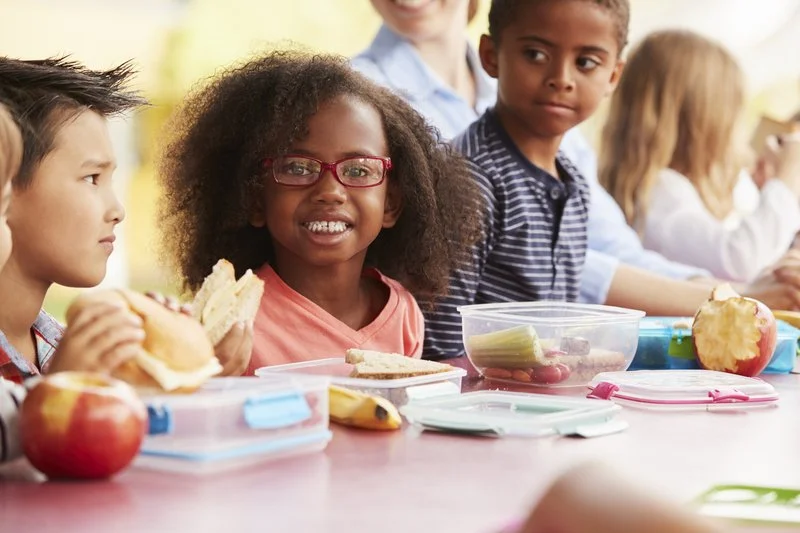
Kids love junk food – that’s just a fact. And they’re not the only ones! As a parent, you need to watch and make sure that your kids are getting the nutrients they need. But you should also make sure that they avoid other substances that can be harmful in high amounts.
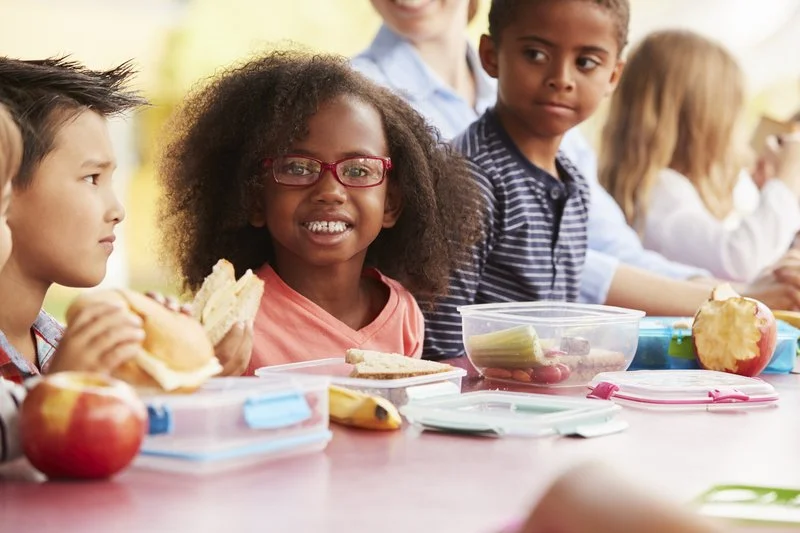
Kids love junk food – that’s just a fact. And they’re not the only ones! As a parent, you need to watch and make sure that your kids are getting the nutrients they need. But you should also make sure that they avoid other substances that can be harmful in high amounts.
Food Dyes
Food dyes are found in many, many foods – even those you may not have expected. This is especially true in America, where even groceries tend to be highly processed. The foods marketed for kids tend to have brighter and more whimsical colors. The problem with certain food dyes is that some evidence suggests they can be bad if ingested consistently and in high amounts. They are, after all, constructed from petroleum – and some even contain benzene, which is a carcinogen. Official scientific results may be inconclusive but it’s better to be safe than sorry.
Added Sugar
This one is another ingredient that turns up far more than you would expect in your groceries. Again, this is especially true for kids’ food, since kids are naturally going to gravitate toward eating more sugar. You’ll come to see this everywhere: cereal, puddings, desserts, deli meats, white bread, fruit juices, and more. Fruit juice usually has added sugar and can be acidic on teeth – so that’s one option you want to look out for. It can be sometimes more expensive to get the healthier option. It can also be harder to convince your kid to eat it. Remember, sugar in its entirety is not bad. But added sugar and other artificial sweeteners should generally be avoided.
Sodium
There’s nothing kids love more than a tasty, salty snack! Chips, pretzels, cheesy crackers, goldfish, Chex mix – the list goes on and on – are beloved by kids everywhere, and for good reason. The problem comes when nothing is eaten in moderation. Many products of this kind contain abnormally high amounts of sodium. When eaten frequently over the course of years, sodium can contribute to heart disease and other health problems. Try and find tasty alternatives like nuts or low-sodium versions of the treats they know and love.
It always pays to read the label. Learn how to recognize both beneficial and problematic notes on a food’s packaging. Additives legally have to be cited. As you make sure your child gets the best diet they deserve, you will ensure a happy future.
Check out this article on common things kids get teased about and how to help them!

How to Take Care of Your Health When You’re Pregnant

Pregnancy can be a scary process, no doubt. It’s very likely you’ve heard stories of complications that can be a bit intimidating. But if you are familiar with your medical needs, and you remain vigilant through all nine months, you shouldn’t have anything to worry about.
Exercise
Some people might tell you this or that about what you can or can’t do during pregnancy. The only people you should really trust to give such advice are your physicians. In reality, most common exercises are fine for a pregnant individual to do. The principal caveat is that you need to be careful not to push yourself too hard. Walking, swimming, cycling (safely indoors on a stationary bike), and such activities are the easiest and safest options. By getting some blood flow to your body and brain, you keep yourself and your baby in tip-top shape.
Eat Healthy
Eating healthy is critical during pregnancy for the health of your baby. Why? Your body and the baby are inextricably connected, and everything you consume will affect the fetus. While there’s nothing wrong with following your cravings (since that is your body indicating what it needs), you do need to be careful to avoid excessively eating processed junk foods or fast foods. Avoid drugs of any kind – alcohol, cigarettes, even caffeine – as much as possible. Instead, ingest hearty, nutrition-rich foods that can supply both you and the baby with what you need. Avoid raw, undercooked, underbaked, or unpasteurized foods.
Regular Doctor Visits
Your doctor is going to be able to meaningfully help you in a way that no one else can. Doctors have the experience, expertise, skill, and tools to adjust their instructions and recommended habits according to your needs. Going to the doctor regularly ensures that complications that can arise in the pregnancy can be caught early on and treated. It means that the health of both the mother and the baby will be carefully monitored, and that help can be given to address any potential problems. This is the risk of doing a natural birth alone and without a doctor – complications can be dangerous for both mother and child when left untreated.
Careful maintenance is the key. Put in the effort daily to do and consume things that will keep your health and the health of the baby solidly in the safe zone. Pregnancy health can be tricky, yes, but it is always worth it in the end.
Check out this article on how to get over boredom during pregnancy!

How to Get Over Boredom During Pregnancy
For many people, there are times during their pregnancy where they can’t do much. Whether it’s because of bed rest, or just the fatigue that comes with growing a human, there will be times when you find yourself bored. Next time this happens, try doing one of these things.

For many people, there are times during their pregnancy where they can’t do much. Whether it’s because of bed rest, or just the fatigue that comes with growing a human, there will be times when you find yourself bored. Next time this happens, try doing one of these things.
Spend Time With Friends and Family
Having a community of people you can spend time with can vastly improve your boredom. Friends are a great resource to have when you reach the point in the third trimester when you find yourself really sick of being pregnant. If you have a good community of friends and loved ones to reach out to, they can help keep you company. You can get out of the house, go to lunch, and be distracted from just how pregnant you are. It can also be helpful to chat with other moms about what childbirth and raising children is like. Hearing of their real-world experience can help you better prepare for raising your own child. Once you do have the baby, friends can help out by watching your other kids, delivering meals, helping out around the house, and anything else you might need.
Stay Busy
Just because you’re pregnant, it doesn’t mean you can’t do what you love. In fact, it’s important to continue to do your favorite things even after becoming a mother. It can be good to distract yourself from being pregnant by finding some fun new hobbies. Staying engaged in activities can take some of the stress off. Making some of these activities exercise is also a good idea. Staying active can help you sleep better and have more energy, both of which are incredibly helpful for a healthy pregnancy. If you’re not feeling energetic, adjust your workouts to include lighter forms of exercise. Swimming, yoga, and walking can all help you stay busy and healthy while pregnant.
Get Lost Somewhere New
If you find yourself bed ridden or unable to regularly leave the house, it can help you stay busy reading books or watching television. One of the best ways to escape reality is to get lost in a different one. Reading a book allows you to learn new things and distract yourself for hours at a time. This activity is also free, as you can check out thousands of books at your local public library. Many books are also adapted into TV series or movies, which you can watch upon completing the book.
Being pregnant is a beautiful experience, but those nine months are difficult. It can help to have some ways to distract yourself from the difficult moments. If you’ve reached the point in your pregnancy where you find yourself bored a lot, try these few tips to cure your boredom.
Check out this article on how to stay calm as a new mom!

Common Things Kids Get Teased About and How to Help Them
Most people remember a time in their childhood where they were teased by their classmates and peers. However, watching your kid go through it is another story. It can be heartbreaking to see your child struggle with their confidence because of bullying. Here are some ways you can work through those issues with them.

Most people remember a time in their childhood where they were teased by their classmates and peers. However, watching your kid go through it is another story. It can be heartbreaking to see your child struggle with their confidence because of bullying. Here are some ways you can work through those issues with them.
Their Name
Especially if your child has an uncommon name, they can find themselves being teased for their name in school. Students that come from a non-English speaking country, or those with complicated names are often teased by their classmates. This can be a source of insecurity for your children. Usually, this only happens when your child is young, and the names are usually silly hurtful nicknames. However, it can be incredibly difficult for your child. If your child is going through this, teach them the importance of standing up for themselves in a polite way. The best way to get your child through bullying is by teaching them not to be bothered by it.
Their Appearance
Unfortunately, much of the societal hierarchy while growing up is based on appearance. Things like your child’s height, weight, hair style, and more can all be fuel for a bully’s fire. Usually, someone’s appearance is something that is very tied to their self-esteem. Bullies know that by attacking someone’s appearance, they are hitting them where it hurts. For example, crooked teeth may prompt teasing and discourage your child from smiling, but there are things you can do as a parent to help them. Teach your child body positivity, and that their worth comes from more than their appearance. One helpful option is to give them positive affirmations about their appearance to repeat in the mirror.
Their Social Skills
Oftentimes, children who fall behind developmentally are made fun of by their peers. Additionally, those who are shy or not very social can be seen as strange and mocked for their quiet natures. This makes it even harder for your children to make friends. If your child has been struggling with making friends, or if they’re being teased for their social skills, it can be incredibly difficult for them. Teach them the importance of making friends who love and understand them for who they are. Try enrolling them in afterschool activities with like minded kids. If your child loves drawing, they can take an art class.
Seeing your child go through the difficulties of being teased and bullied is every parent’s worst nightmare. It’s impossible for you to understand why everyone doesn’t love and appreciate your child as much as you. If you notice any signs that your child might be being bullied, try some of these tips to help them through it.
Check out this article on common food ingredients that can cause your kids digestive problems!

Common Food Ingredients That Can Cause Your Kids Digestive Issues

As a parent, you want your child to grow healthy and strong more than anything. Navigating their diet can be tricky, especially when they’re complaining of digestive issues. If your child is struggling with their digestion, try eliminating some of these foods.
Dairy
Lactose intolerance is an incredibly common ailment for people, but the symptoms are often ignored. When a child has lactose intolerance, they are not able to properly digest the sugars found in dairy products. If your child is lactose intolerant, they may experience stomach aches, bloating, and diarrhea after consuming dairy. This condition doesn’t cause any harm to the body, but it can be uncomfortable for your child. Luckily, today there are many dairy free options for milks, cheeses, and other dairy products. You can also consult a doctor about other options.
Gluten
Gluten sensitivity is another fairly common digestive problem. Having celiac disease is fairly rare, but sensitivities are becoming increasingly common. If you notice that your child has digestive problems after eating foods that contain gluten, take them to the doctor to get tested. Your child needs a diagnosis by a gastroenterologist to determine if it’s celiac disease. First, they’ll take a blood sample to look for symptoms of celiac disease. If anything shows up, the gastroenterologist may choose to perform an endoscopy. Once they’ve gotten tested, you’ll be able to reevaluate their diet to help their digestion. If your child does not have a sensitivity or celiac disease, there is no need for a gluten-free diet.
Processed Foods
Processed foods are usually good to shy away from for a myriad of reasons. In regards to your child’s digestion, processed foods can contain low levels of fiber and lots of additives. Fiber helps food move through your digestive system. Processed foods don’t have enough fiber to move through your body correctly, so they can cause digestion problems. The additives found in processed foods can also cause your gut’s microbiome to become imbalanced. Your microbiome is a collection of bacteria in your gut, and the chemicals and additives can wreak havoc on it.
Navigating your child’s diet can be tricky, especially if you have a picky eater. This becomes even more difficult if your child is showing symptoms of digestion issues. Try eliminating or altering their intake of these foods to see if it helps. Consult a medical professional if the symptoms are worrisome.
Check out this article on things you can do to help your child maintain a healthy weight!

How Your Kids Benefit From Regular Dental Visits

Sometimes getting your kids to go to the dentist for regular dental cleanings and checkups can feel like pulling teeth, literally. And that struggle alone can be enough for some parents to avoid dental appointments for their kids. However, making sure that your kids go to regular dental visits can help your child to maintain good oral health and to ensure that they have good oral health habits to bring them through to adulthood.
Keep Their Teeth Clean
The first benefit of regular dental visits for your kid is that they can help your child to have clean teeth. While brushing and flossing at home can do a lot of good, it isn’t as effective as a professional cleaning. And having your child’s teeth cleaned at the dentist will help them to get rid of the plaque they couldn’t brush away on their own. Your dentist can help care for your child’s teeth and clean the areas that are hard to reach with a regular toothbrush and floss.
Catch Problems Early
Your dentist can also help your kids to figure out any problems with their teeth as early as possible. This is important because early discovery can help to decrease pain and symptoms while also keeping your costs as low as possible. In fact, early treatment may prevent problems from developing in the first place. If you want your kids to have the best possible oral health, it is essential that they go to the dentist every 6 months. Most dental insurance plans will cover two yearly appointments which means these checkups are generally free.
Building Good Habits
Going to the dentist regularly is an important habit that every person should have under their belt. And when you help your child to have good experiences at the dentist when they are young, it can set them up for a positive relationship with the dentist for the rest of their lives. This will help them to maintain great oral health, have better breath, and to generally be healthier when they get older. Finding a dentist that you love can make all of this a lot easier.
When you are trying to help your child to grow into an amazing adult, you need to help them to establish good habits. Going to the dentist regularly is an important habit for everyone to develop. And you can make the dentist a fun and important part of your child’s life.
Check out this article on how to teach your kids to be more independent!

Photos You Must Take at Your Child’s First Birthday Party

Your baby’s first birthday is a fun and emotional milestone to celebrate. It can commemorate a lot of growth for your child and family. In order to properly document the day, you need to make sure you’re taking lots of pictures. Here are some photos that you must take at your child’s first birthday party.
Cake Time
First off, one of the cutest photos that you can capture at your baby’s first birthday party is photos of them playing with their cake. Cake time has almost become a required rite of passage for all one-year-old babies because it is such a fun activity for them to participate in. In order to get the best cake time photos, make sure that your baby is sitting in a cute location and wearing clothes that will be easily washable. Then, set down the birthday cake in front of them. Eventually, their curiosity will get the best of them and they’ll be digging their hands and face in the cake to get a taste of the delicious dessert. Those messiest moments where your child is covered with frosting will make for the cutest pictures.
Cute Mannerisms
Next, you need to make sure that you get some snapshots of any cute mannerisms that your child is doing. Thumb sucking can be cute in little ones, so if yours does this, feel free to snap a picture of them engaging in this habit. However, it’s one you’ll want to say goodbye to soon, as cute as it is. Thumb sucking can make your child’s teeth grow crooked when they are a bit older. Luckily, a few trips to the dentist and orthodontist in their teen years can help remedy any of those issues.
Playing with Friends
Finally, don’t forget to snap a couple of pictures of your baby playing with their family and friends. As your baby is crawling around with their baby friends, take some videos of the giggly adventures. Make sure that you get some pictures of your baby with their grandparents and other family members as well. These photos will become treasures in the future as they will remind you of the special relationships that you have with your friends and family.
So, even though you’ve undoubtedly put a lot of money and time into planning the decorations and activities for your baby’s first birthday party, don’t forget to take lots of pictures. Make sure that you capture photos of their cake smashing time, their cute mannerisms, and their play time with friends. This will ensure that you’ll have lots of adorable pictures to commemorate their special day in the future.
Check out this article on how to teach your kids to be more independent!
How to Make Sure Your Kids Develop Strong and Healthy Teeth
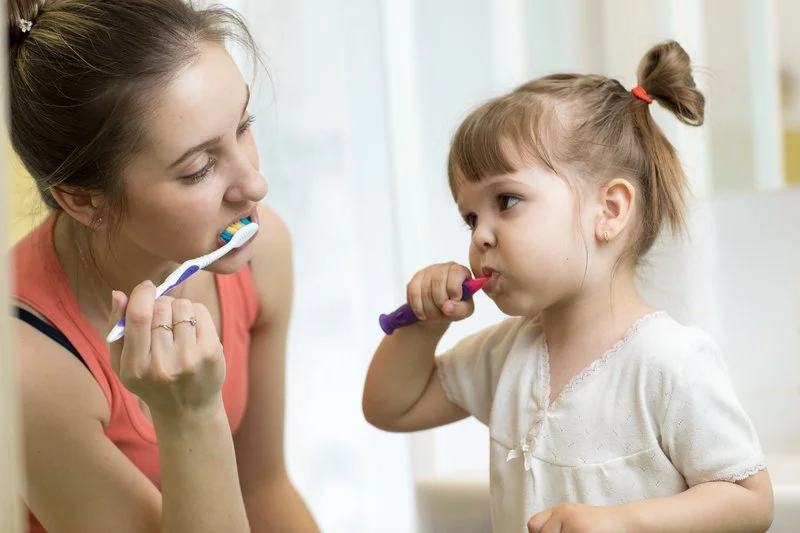
You want the very best for your kids. You give them the most devoted care, provide ample learning opportunities, and allow them to develop into the talented, unique individuals that they were meant to become. Part of that development is to care for their teeth. Dental hygiene is a fundamental part of your child’s emotional and physical health.
Pay Attention to What You Feed Them
Healthy teeth start with what you feed them. Healthy choices for strong teeth are all about what should go into their mouths and what shouldn’t. The best foods include high-fiber fruits and vegetables. The American Dental Association suggests that a high fiber diet is the next best thing for your child’s teeth, after brushing and flossing. High sources of calcium are also great for strengthening those little pearly whites. Cheese has the additional benefit of being a high saliva producer, which can help restore the proper minerals to their teeth after they have been attacked by plaque. Of course, you know the foods to avoid. Candy, sweet treats, and soda are some of the biggest enemies to the development of strong and healthy teeth.
Make Dentist Appointments
Experts recommend that your child see a dentist two times a year. Your baby’s first dental exam should happen right around their first birthday. Even if your baby only has one or two teeth, those teeth are still subject to plaque, the thin, sticky film that clings to your teeth. When sugary or starchy foods mix with plaque, acid forms and attacks your child’s freshly budding teeth. A pediatric dentist can help remove harmful plaque from your child’s teeth. Early intervention is paramount for combatting tooth decay and gum disease.
Establish a Daily Oral Hygiene Routine
When you start teaching your child proper oral hygiene from the moment they push their first tooth, they will develop a lifelong habit of good dental care. Use a baby toothbrush with a tiny drop of baby toothpaste to gently brush each tooth, allowing any excess to dribble out of their mouth. By preschool age, you can give your child a turn at brushing their own teeth. Do this before or after you brush them. Most school-aged kids are ready to begin brushing on their own.
Just make sure that they are supervised to ensure proper brushing technique. And don’t forget the floss! Make this a fun part of your child’s day, both when they wake up and before bedtime.
Your kids need you to be able to develop strong and healthy teeth. Start young, be consistent, and stay positive so that your kids learn to enjoy taking good care of their teeth.
Check out this article on the dietary components that affect your child’s oral health!

PPD Getting You Down? Things You Can Do to Help Get Through It

The period following the birth of your child can be filled with countless emotions. Emotions caused by hormones and your situation in life can be overwhelming. Many moms struggle with Postpartum Depression (PPD). PPD can take time to recover from, however something you can do that will help get you through it include taking care of yourself, getting professional help, and building a support network.
Take Care of Yourself
With a newborn and other family responsibilities it can be difficult to have time for yourself. It is important to know that taking care of yourself enables you to take care of others. Take time for yourself to make you feel good. As hard as it can be, taking care of yourself by eating nutritious foods, getting as much sleep as you can, including regular physical activity in your day, and practicing things like meditation can help you manage PPD. You need to know that you are important as an individual and you deserve to feel good.
Get Professional Help
If PPD symptoms last longer than a few weeks or you feel extreme sadness that could lead to harming yourself or others, get professional help. A doctor will give you the resources you need to get started on your path to recovery. Counseling, prescriptions and TMS therapy are a few common treatments for moms with PPD. TMS doesn’t require the use of medication, which means you don’t have to worry about drugs impacting your ability to nurse if you want to. Instead, it is a form of brain stimulation used to help treat depression. Getting professional help with managing PPD can go a long way towards getting you the help and support you need.
Build a Support Network
Humans are naturally social creatures. When you have a baby, it is easy to feel isolated and alone. You are not alone! Receiving social and emotional support from others will help boost your self-esteem, sense of independence, and enable you to better cope with problems. Be intentional about creating positive social interactions with others that can act as a support network for you.
Having a baby is a beautiful experience. However, it also takes a big toll on your physical and mental well-being. You are not broken for feeling depressed. Focus on what brings you happiness and take steps to help get you through this difficult time.
Check out this article on how to help your baby build more confidence!

Things You Can Do to Aid Your Postpartum Recovery

Having a newborn join your family after months of pregnancy, doctor visits, taking care of yourself, and all the other genuinely exhausting things that come with pregnancy, you might think that the joys of motherhood will carry you through the next few years. But if you are like many new mothers out there, you may feel different after giving birth. Postpartum recovery is a challenge all in and of itself, it takes time for your body to return to a state of new normal after nurturing a growing human inside of you. Here are three things you can do to aid your postpartum recovery and get back in action before you know it.
Stock up on Supplies in Advance
The first thing that you can do to aid your postpartum recovery is to stock up on supplies in advance. Once your child is born, you will find that every single waking hour, and often a majority of sleeping hours, are dedicated to caring for your newborn. This makes routine trips to the store for supplies difficult if not impossible. If you can, you should start stocking up on supplies for postpartum recovery during the final month of your pregnancy. You will need things like pads, disposable underwear, nursing pads, numbing spray, and a peri bottle almost right after birth to ease things along.
Be Mindful About What You Consume
There are a lot of dietary and consumption restrictions that you will face when you are pregnant. Unfortunately, those don’t really end after giving birth, they just change a little bit. You should make sure you still focus on eating a healthy and balanced diet to ensure that you are healthy and energized after birth. A nutritious diet helps you feel so much better, which is especially important during the postpartum period when it’s hard to feel like yourself for a time. And don’t forget to drink plenty of water.
Care for Your Mental Health
Postpartum depression is no joke, it is a real and difficult aspect of the postpartum phase that women everywhere are challenged with. Don’t feel like you must brush it off as no big deal – it is certainly a big deal. Don’t shy away from acknowledging how you feel and even seeking the help of a mental health professional to help you find ways to cope and carry on, regardless of what you are thinking and feeling. You are not alone.
Giving birth is a huge life event that changes everything about how you live. While this can be exciting, it can also be a time of great stress, pain, and recovery from the pregnancy stages. Follow these three tips to make sure that you are recovering during postpartum to the best of your ability.
Check out this article all about the things you can do to start feeling like yourself again after the baby is born!

How to Help Your Baby Build More Confidence

Babies are so fun to have around, and such a joy in their parents’ lives. Though they’re wonderful, of course, babies are also a lot of work. They have so much to learn and need to grow in so many ways, but they don’t have a paid, professional teacher. Rather, they have you, so it’s important to do your best by them. From a very young age, they learn so much from you, including how to feel inner confidence, so start now to teach them!
Introduce Them to New Environments
The first thing you can do to help your baby grow in confidence is to introduce them to new environments. So, as they grow a little older, you can help them build confidence by helping them realize they can thrive in new environments as well. To do so, try your best to keep other constants in their lives. It’s equally important to recognize that babies need stability. According to Parent Lane, they love familiarity and thrive when they have routines. Maybe take them to a new location but bring some people they’re already familiar with. Furthermore, in the new environment, try putting them down for their naps at the same time you normally would if you were at home. These simple acts can be extremely beneficial in helping your child feel comfortable in a new environment, and consequently in helping them feel more confident at all times with their surroundings.
Teach Them Useful Skills
Another great way to help your baby build confidence is to teach him or her new skills. One skill that’s both confidence-building and safety-ensuring is swimming. Many child deaths occur each year due to drowning—mostly during the summertime. Furthermore, swimming is an independent sport that will likely be scary to your child at the beginning, but that will help them realize they can do hard things. Don’t worry about putting your child in swim lessons too early. According to SwimJim, even babies are capable of learning swimming skills. So, teach your child lifesaving and important skills early on!
Provide Safety and Love
Lastly, one very important thing that will greatly help babies grow in confidence is to provide them with safety and love. As mentioned previously, babies love familiarity. Familiarity helps them feel safe. So, hold them and talk to them frequently. Zero to Three recommends you let your loved ones hold them as well so they can become familiar with them. When your baby is crying, don’t just let them cry. Pick them up, comfort them, and try to figure out why they’re crying. Granted, there are times as the baby gets older when it’s good for them to just be left alone to do things like fall asleep. However, especially when they are infants, crying likely means something is wrong and they need to be comforted.
Children are a wonderful addition to a family. They often help both your family and your community. Babies are also a lot of work, of course, and need to learn many skills. So, do some research to see how to best help your child learn. Help them build confidence. And of course, treat them with great love and adoration.
Read this next: 3 Practices Every New Mom Should Start as Soon as Possible

How to Get Your Child to Adopt Healthy Habits

Every parent wants the best for their child. This includes the best health, the best education, and the best experiences. Part of receiving the best starts with teaching your child healthy habits, which lead to a healthy lifestyle and the achievement of the best things life has to offer. Get your child to adopt healthy habits by implementing the following tactics!
Offer Small Rewards
Offering small rewards to your child helps them feel recognition and direction. According to Leading Turtle, rewarding good behavior tells your child that you are pleased with their efforts and encourages them to continue those habits. You can also implement a tangible reward system like a sticker chart to help them achieve goals. Goal achievement leads to confidence and the establishment of healthy habits. Rewarding your child does not have to be a sweet treat, however. Intangible rewards are often better, like playing with toys or doing activities together to celebrate their wins.
Model Good Behavior
Your child’s first teacher in this life is you. Whether you realize it or not, your child is watching much more than you think. If you want your child to adopt healthy habits, you must model good behavior. According to Showtime Smiles, babies and children are more likely to enjoy brushing after seeing you do it. As another example, at the dinner table they’re more likely to eat the foods you put on your own plate, including vegetables. When you put physical exercise, nutrition, and education as a priority in your life, your children are much more likely to follow.
Manage Screen Time
Studies have shown that excessive screen time leads to sleep problems in young kids. Too much screen time also creates a sedentary lifestyle and limits a child’s creativity. Teach your child to adopt healthy habits by managing their screen time. Avoid looking at screens with your child at least one hour before bed as the blue light will make it harder for them to sleep. According to All 4 Kids, video games, TV shows, and smartphone apps all fall in the technology consumption category. Encourage your child to play outside or participate in various activities to keep screen time at a minimum.
For the first few years, your child’s life centers around you. You are their greatest role model and the most important teacher they will ever have. Set your child up for success with a healthy lifestyle by encouraging them to adopt healthy habits early on.
Read this next: How to Stay Calm as a New Mom

3 Practices Every New Mom Should Start as Soon as Possible

Every new parent has a list a mile long of things they know they’re planning to do as their children age. Their family has a lot of fun to look forward to! It can be complicated to figure out how to establish those things as children age, though. What kinds of practices should families begin, even as they are just beginning? Here are a few ideas to get you started.
Create Traditions
Families love to establish traditions, especially for holidays. This can get overwhelming, of course, as you mix things which each partner’s birth family did growing up. It’s perfectly fine and normal to get rid of any traditions which no longer suit your home. You don’t have to, for example, always have to make hundreds of cookies to decorate, unless this causes you joy! If something else like getting Thai food on Christmas Eve rather than decorating cookies brings you more joy, do that instead! Traditions are made to serve YOU, not the other way around.
Set Up a Daily Routine
Setting up daily routines for hygiene and bedtime will help your children immensely. According to Stellar Family Orthodontics, poor oral health during childhood is one of the leading causes of crooked teeth in adults. Likewise, you want children to go to bed on time and with the least amount of stress as possible. Establishing routines can be complicated for non-neurotypical children, and it’s important to not be angry at yourself if you have problems with bath times or potty training. Routines occur bit by bit, and need tweaking to fit the needs of each family.
Establish Boundaries and Consent
According to Evolve, establishing healthy boundaries and encouraging body consent with children helps both them and you considerably. When they have choices in what they eat, wear, and do to a certain extent, small ones feel more confident and securely attached. Likewise, when they learn they have the right to refuse kisses, hugs, or other contact as toddlers, this knowledge continues when they are teenagers and adults, which you very much want!
Look: you’re not going to do any of this “correctly,” but there is no perfection in parenting. Do your best and regroup when you must. Traditions, routines, and even boundaries don’t need to be done perfectly to make your world better!
Read this next: Childhood Habits You Should Help Your Child Break

What You Should Start Doing When Your Baby’s First Teeth Come In

Having a new baby is one new thing after another and learning things while practicing all of the other things, too! One of those new things, at about six months, is the adventure of your baby both cutting new teeth and you caring for the ones your baby is getting! Between sore gums and teaching the baby to not bite fingers (or more sensitive areas), it’s important to also care for those new chompers. What should you do when your baby’s first new teeth come in?
Introduce New Foods
Before the six-month mark, according to the CDC, your baby needs no solid foods, and, indeed, their bodies might not be ready to process them! Advice from decades past said to give formula-fed babies solids as early as three or four months, which now they know can cause food allergies. Practice new foods gradually, with only one new food per week, leaving high allergen foods like peaches, apricots, and strawberries until later. Nursing babies don’t need to begin solids in earnest until a year but starting them at the same time is fine.
Start Brushing
According to Maccaro Smiles, children under two should use toothpaste without fluoride. Although you might get bit, using a finger brush is a great way to get your baby accustomed to having their teeth cleaned. Likewise, it’s common to use a washcloth with a little water on it and the paste. Get a paste your child enjoys the flavor of—if you find your child is not enjoying the idea of clean teeth, they might not like the flavor you’ve chosen.
Find a Great Dentist
Finding a good pediatric dentist for your child is important! If you have a rowdy kid, their baby teeth can get some wear and tear, especially after they learn to walk. Some children can have more predisposition to cavities, too. According to Parents.com, teaching them that going to the dentist is something families do to help their teeth is a great thing. They can sit on your lap at your dental appointment for a cleaning. This normalizes healthy teeth care.
Your baby’s baby teeth are adorable. You want them to be able to enjoy them until they get exchanged for adult teeth, beginning at the age of five or six. Brush them up with no fluoride, teach them about healthy foods, and find that awesome dentist. Don’t forget to bask in that beautiful little baby smile!
Read this next: Childhood Habits You Should Help Your Child Break