


Activities Your Kids Should Experience Early in Life

Childhood should be a time where memories are made that last for a lifetime. As a parent, you can facilitate activities for your kids. Through the activities your kids are involved in, you can help ensure that your kids will be well-rounded adults.
Reading
Storybooks have the power to teach kids how to channel their powers of imagination. You can help your children develop a love of learning and reading by taking time to read books to them. Young children also crave time with their parents, especially if the parents work full time. By designating time each night with your child, they will have something to look forward to. If your child is still learning how to read, you can read along with them and help them learn how to pronounce and understand words. You can share books with them that you read as a kid and continue to bond with your child over similar interests. Children who read often also do better in school as well.
Swimming
Going in the water is a great experience for children because they can experience a new environment. When kids swim, they have all the benefits of physical activity. They will gain stronger hearts and stronger lung capacities. If your child enrolls in swimming lessons, they will also be able to experience the camaraderie that comes with working towards a common achievement as they are all learning to swim as a team. Swimming lessons can even be valuable for babies. Babies have a natural ability to swim and be underwater and when you put them in lessons, it helps them learn how to swim in an environment that they are already comfortable in.
Playing
Another valuable experience for children is simply interacting with other kids their age. Children need to learn social skills when they are young. They need to learn how to make friends and communicate with one another. This is particularly important if you only have one child because they will not get those interactions anywhere else. Playing with friends gives kids an opportunity to expand their creativity as well. Kids need to feel part of a group when they are young, so they do not feel isolated.
Every kid’s childhood is different, but at the end of the day, kids can all benefit from the same types of experiences. The more positive experiences a kid has while they are young, the more likely they are to be able to deal with hard times when they are older.
Read this next: How to Give Your Children a Good Start in Life

Creating A Nursery You'll Actually Love
Planning your baby’s nursery can be one of the most exciting milestones when you’re expecting. However, spending hours on Pinterest and Instagram trying to decide on the perfect style for your soon-to-be nursery can be equally overwhelming. That’s why we reached out to the experts from Miami to Sacramento to help homeowners design the perfect home nursery for their new or expected child. So, read on and learn how you can properly prepare for your kiddo-to-be.
Make a plan and stick to it
The best tip I can give to expecting parents who are in the nursery building phase is to establish a vision for the space and to stick with it. It's easy to get distracted with a million different ideas and themes and let's face it, it's overwhelming. I say start small and build up to more. A dream nursery doesn't have to be an overnight assignment. You should take some time to live in the space and let certain ideas breathe before you pull the trigger. The one thing you can never be too overboard with is being practical and creating a space that can also be functional. If you're struggling with finding a vision, focus your attention on getting an organized system in place instead. Ask yourself, "How can I maximize the space in this room?" The truth is, you will get inspired as you organize. Chances are your baby is going to have so many gadgets and gizmos so creating a system that will be easy to keep up with when the baby arrives will make the rest of the decorating process feel less intimidating. Bring out the necessities and stow away the other stuff for later (or never) and watch how much that will inspire your vision! Once you know your vibe, vision, or theme - go on Pinterest for inspiration. You'll find so many fun DIY's and products that might work really well for your organized nursery space! - Sazan
Keep it playful, but calm
At GoodnightFox, we're big fans of a modern, clean aesthetic that will give your nursery a playful, yet calm feeling. You want it to be soothing for rocking baby to sleep at night and have a little bit of color to bring joy and play to the space during the daytime. Our top tip is to start with nursery art you love that will define the design style and color palette of the room (we have some great options at Goodnightfoxstudio.etsy.com) and then add accessories to match. A neutral base of greys and whites allows for the room style to change over time without having to purchase new big-ticket items, while the decor (a throw, a toy or two for the shelves, books, and lamps) can be easily swapped as your baby grows into toddlerhood and beyond. - GoodnightFox
Create a space that you’ll enjoy
In designing baby's nursery, pre-birth I try to focus on styles that I am personally attracted to since I will be the one spending the most amount of time in that room! In all of my kid's nurseries I have used removable wallpaper - that way I don't have to decide definitively what baby will like long-term and can feel comfortable about using something more "baby" that they wouldn't have to grow into. I keep the gender somewhat neutral when it comes to larger scale items such as rockers/gliders, dressers and tables. That way I can easily utilize the larger scale bit ticket items for subsequent babies in the future. After birth, I love adding elements that reflect a baby's personality after having met him or her. We don't find out the gender, so post-birth is when I will add elements to reflect that along with personality and interests. - The Southern-ish Mama
Let's be real, your new baby's nursery is where Mom & Dad will be spending a TON of their time! It's important to create an environment that's not only functional, but soothing to the eye. Long gone are the days of overly using pinks for girls and blues for girls. I'm all about the neutral colors (think white, black, tan, etc.) with a pop of glam by using metallics like gold, silver, or rose gold. Having a focal point in the room will absolutely bring everything together. Personally I love a statement wall to set the crib up against - whether its a fun wallpaper, bold paint color (I just painted my son's nursery wall black!), or some type of installation like paper flowers or a name sign. Whatever you do, give it personality and make it your own. - Kitty Meow Boutique
I love creating inviting, personal, and warm spaces in my home. Our nursery will have a new baby come September, and I'm only making a few small changes because I love it so much already. I start with shopping my home, using what we have. I also love grouping similar items like vintage, framed cross stitch samplers. My finishing touch is usually incorporating textures, a few knit throws on the end of beds or one draped over a rocking chair. - The Birth Hour
Uncover a treasure
Love mid-century modern vibes and functionality? Design a dresser that also doubles as a changing table. We snagged ours off Facebook Marketplace and after a little sanding, some Plaster Paint (in Parlor Pink) and paste wax, the dresser was totally transformed. - Marken Media Co
Organization is key
Organize and arrange your nursery with the super practical needs in mind, not just the cuteness factor. If Baby has a blowout can you reach a cloth, hand sanitizer, extra wipes and a fresh onesie, all without walking away from the changing pad? Will you have a clear path to move your sleeping baby from the rocker to the crib without having to step over loud baby toys left in the floor? You’ll love your nursery a whole lot more if it actually works for you when things get real. - Oh Yellow
Don’t sacrifice function
It's easy to get carried away with designing a "cute" nursery- but don't forget the function too! One high traffic area that needs to be designed with thought is the changing table. Since babies need to have their diapers and clothes continually changed, a safe and functional space is key to your sanity as a parent with a little one. Make sure your changing table has storage space underneath and a designated area (such as a bin on top or side pocket) for everyday essentials like diapers, cream, a change of clothes and wipes. - Mom Blog Life
Designing a nursery to welcome your little one home is one of the most exciting parts of the entire journey! A nursery can grow with your child, so think of timeless pieces that mean something to you when selecting furniture, artwork and accessories. Function is also very important to keep in mind when mapping out your wish list. Most importantly have fun! - Cassie Clark
Incorporate sleep conducive elements
As a Pediatric Sleep Consultant, I encourage parents to design their baby's nursery to make it conducive for sleep. This includes having a safe sleep space for your baby, as well as using a white noise sound machine, blackout curtains, and keeping a cool environment. These simple elements will help set the stage for sleep for your baby and are items you can use whether your baby is 4 months or 4 years old! - The Postpartum Party
You’ll want to be sure that the overall environment of the nursery is calming for your little one. Include a sound machine to play lullabies, a rocking chair to soothe, and blinds or drapes to keep the room dark during nap time. Creating an environment that soothes your baby gives you the peace of mind to know that your child is happy and healthy. - Colic Calm
Focus on neutral colors
My tips would be to keep your little one's nursery as neutral as possible, avoid too much “theme” as you will tire of it much quicker! My best decision was buying a large chest of drawers and DIY-ing a changing table topper to sit on top, to use instead of a changing table! It just means the beautiful piece of furniture can be used again once it is no longer needed for a baby, it is much easier on the eye and super-functional too as everything you need day-to-day is to hand! - A Little Bit Me
It’s a good idea to have the walls a neutral off-white or grey but why not be bold and create a feature ceiling which can be painted a bright color with a mural or use themed decals- your baby will spend most of the time looking up after all. - BibEasy Bibs
If you plan on having more than 1 child, consider a gender-neutral nursery that can be reused no matter the gender of baby number 2 or 3! And don’t feel pressured to paint the walls yellow or green. Consider a neutral wall color, and then add pops of color with curtains, rugs, wall decor, or toys. If you ever want to take pictures in your nursery, you’ll be thankful for neutral wall colors that don’t cast color onto the faces of photo subjects. It’s tough to get a flattering photo in a green room! - Kelsey Cunningham Photography
Less is more
My best tip for creating a nursery you’ll actually love is to keep things simple! Uncluttered spaces are soothing for babies and parents who are navigating life with a new little one, so simplified organization is a must. Neutral colors and designs also tend to be more sophisticated, which will feel good for you and be flexible enough to accommodate your growing child and family, while still beautifully capturing the fleeting delicacy of babyhood. This is an economical approach too, considering you will get full use out of nursery essentials when you have fewer of them and save them for future babies. - Curating Simple
Here's a protip from a 12-year doula veteran and infant sleep expert: Less is definitely more in a nursery. A minimalist and well-organized space can help make feedings, diaper changes, playtime, and sleep routines easy to manage and adapt to how quickly your little one will change in the first year. Not to mention that it's less likely you'll trip over a half dozen toys your baby won't be interested in for six months when you're rocking them to sleep with the blackout curtains up! Very young kiddos get overstimulated easily with too much clutter, making soothing and sleep sometimes more difficult than it needs to be, so you can hold off for a bit on the piles of gadgets and gizmos and piles of playthings. The best investments are in the items that can serve multiple functions and/or that can be slightly tweaked to meet the baby's needs over time. - Rosewood Consulting
Decorate with “Mommy and Me” in mind
Every nursery should have a professional image of "Mommy and Me". The relationship between mother and child should be celebrated. It not only adds pizzazz to your decor, it also builds self-esteem. - Panos Productions Photography
When designing your nursery and choosing artwork and accessories consider yourself as well as the baby. For the first year or so, you'll be in this space for long periods of time feeding, rocking, and changing your baby. Choose pieces that delight and comfort you that also provide a pleasant place to rest your eyes. This is a phase of your life when you want to be immersed in the most joyful surroundings that are peaceful for both you and baby. - Ernie & Irene
Style The Storage
Undoubtedly, having a baby means keeping lots of stuff around for their care. Hence, if you'll not be using a changing table, it's best that you arrange all your baby items well. Try creating an inexpensive form of storage through DIY clever hacks such as:
Hanging their shoes from racks
Storing the clothes they outgrow separately
Storing toys and excess items in bins
Keeping a different storage space for the items and furniture the baby outgrows
Often, the way you style the nursery's storage can determine the amount of room space used. You can consider using the nursery wall to hang some items or other stuff that can enhance the room's aura. - Game On Mommy
When you're expecting, it can seem really overwhelming with all the bottles, blankets and bibs! We love keeping organized with labels, baskets and a personal favorite, storage benches (adorable but also practical). - Executive Mom Nest
Originally published on Redfin

How to Think About Steam Punk In Your Digital Art

Working With Steam Punk in Digital Art
I love Steam Punk as an artist. There is the versatility of some modern conveniences, yet you are constrained with what you can use in your imaginative art pieces. It is easier, in some ways, to create within boundaries. It steers your ideas along a cohesive path. However, there is room to “be you”. For example, Steam Punk colors tend to be subdued, but when I created this composition, I allowed color to take a more prominent role. How do I know when it is OK to bend the “rules” and when it’s not the best idea? When working on this piece called “Steam Punk Diva”, I thought about it using these techniques:
3 Tips to Help You Create Within Genres
Steal From The Masters. Seriously. If you think that you can do something truly original, think again. There is no such thing. It is best to just get that idea out of your head. In his book Steal Like An Artist, Austin Kleon forces you to accept this. Once you are free from this, and I do mean free, you will find that ideas come pouring in at you right and left.
In this piece, I stole the formal portrait look from Rembrandt as well as his lighting, half of her environment from Mad Max Films, and the other half from British TV series set in 19th Century London.
Collect Cool Stuff. When I set out to create a piece, I never just stare at a blank notebook page. There may be artists who can do this, but I have not met one. Nothing curbs creativity more than staring at emptiness. Ideas have to come from somewhere. Allow them to. Help them.
The best way to encourage ideas to billow forth is to have a collection of things you like. There is no reason to justify why you like them. As you grow as an artist, you may like to explore this question. But to get started, just collect things you like. I used Pinterest to make a few boards. Portraits, clothing, technology , Steam Punk and more are the subjects of my collections. It’s a lot of fun going around and gathering bits and pieces of interesting things that intrigue you.
Be A Problem Solver. Many artists become frustrated when their ideas do not emerge easily. I learned early on that every step along to way is a series of problems to be solved. Something not quite have the look you want? Try not to become exasperated. Instead, troubleshoot. Start with what is working for you. Then, go back to your collections of things you like and see if you can pinpoint a difference between those things and your work in progress.
Try fiddling with colors, composition etc. Sometimes, the model image you are using is great by itself, but not the best for a particular composition. Don’t be afraid to toss out major elements and start over.
Are you a Steam Punk fan? It is one of those things where you are really into it, or nah. I like the ideas and the visions I get when I look at artwork in this genre. I was inspired by steam punk in general, but also by elaborate indoor garden space.
Enjoy. What do you think of the iguana that has "escaped"?

How to Help Your Kids Get the Most Out of Flossing
Protecting your child’s teeth starts young, even before they have teeth. As they grow a mouthful of chompers, good oral hygiene becomes even more important. Starting your kids young with healthy dental hygiene habits helps set them up for a lifetime of healthier teeth. Flossing is an important part of an oral health routine, so how do you help your kids get the most out of it?
Use the Proper Technique
If flossing is going to be beneficial, it needs to be done properly. Improper flossing can cause damage, so you may need to take an active role in flossing your children’s teeth until they’re able to do it correctly themselves. You’ll need 1 ½ to 2 feet of floss. Wrap most of it around one finger on each hand, leaving an inch or two to floss a tooth. You’ll need to use a new section of floss for each tooth. Pulling it taut, gently move the floss up and down the side of your tooth, being careful of your gums. When you reach the bottom of your tooth, make a c-shape so the floss can get between your tooth and gum to get a more thorough cleaning.
Take the Time
Flossing takes time and shouldn’t be rushed. It needs to be thorough if it’s going to be effective. Flossing will require more time if you have braces. Fortunately, by the time your child is wearing braces, he or she should be old enough to be able to do this themselves. Proper flossing with braces can take 10-15 minutes since extra care will need to be taken with the braces. Your child may find a water flosser or floss threader especially helpful.
Set the Example
When kids are little, they like to copy what they see older people doing. You can help them create healthy dental habits and encourage them to floss their teeth simply by doing it yourself. If it’s a normal part of your dental routine, they will expect it to be a normal part of theirs. Make sure you do it with a good attitude. Children are incredibly observant and will notice if it’s something you don’t want to do. If they think it’s no fun, what makes you think they’ll want to do it themselves?
Flossing plays an important role in protecting the health of your child’s teeth. It’s important that they use proper flossing techniques. While it may be difficult, encourage children to take the time they need to do a good job. Take advantage of their desire to be more like you and set a good example for them by keeping up your flossing habits. This will help you protect your child’s teeth for years, even decades to come.
Read this next: How to Give Your Children a Good Start in Life
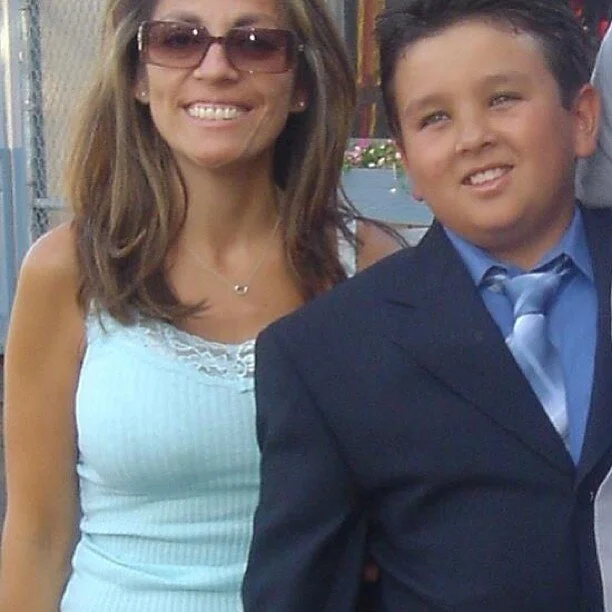
In Memoriam: Chace Taylor Malone
In Memoriam Chance Taylor Malone d. 2021
Chace Taylor Malone passed away early this year. A Glendale/Montrose local, he graduated from Crescenta Valley High School and is survived by his parents and older brother Blake Tyler Malone. He had recently started his own plumbing business, Ace One Plumbing.
Chace played CV Little League. He was an accomplished athlete and played every position. He was an exceptional catcher and made the All-Star team every year. His last year in Little League, he hit 9 home runs. Later, he played football at CVHS. However, he broke his arm his freshman year, and although he stayed on the team all 4 years, he did not play as much. He was good at every sport he tried. Many people would "complain" about his ability to pick up any sport and excel.
He is best described as charismatic and caring. Chace was a popular man who knew hundreds of people. What made him different is that he knew each of them by their one, best, shining quality. It was as if he had magical glasses that allowed him to see everyone as their most perfect self. Those close to him know he came to the aid of those who needed it; helping others was foremost on his mind. He did many kind things for a lot of people. He was enthusiastic about what his friends were about or what they were doing and would encourage and share it. Chace took pride in the people he knew; he collected love and light and left a treasure trove of gems that are now his Living Loving Legacy to his mother and family.
I asked Chace’s mom to share a favorite memory for this post. This is her response:
When Chace was a little boy he told me, ‘Before I was born, and I was up in heaven, I looked down and saw you. I saw how loving and caring you are and I chose you to be my mom.’ He always made sure I knew he chose me.
Below are some of the messages Chace’s family received from his friends:
"I love that boy so much! I am going to miss his sweet sweet soul. I have floods of all the endless fantastic memories and great times with Chace."-R.L.
"I was shy, and really quiet when Chace and I were growing up. I was shocked, kind of amazed how confident Chace was...when he probably was not someone you think would be. Chace was a little chubby boy. And yet, he would walk into a room, even as a young boy and be able to talk to adults. He could have a conversation and even charm them. As we grew up he just knew how to make everyone feel good and want to be around him. I thought if my "brother" can have that kind of confidence, so can I. I learned my confidence from watching Chace."-J.S.
If you or anyone you know is struggling. Click here to reach the Substance Abuse and Mental Health Services Administration








Jurassic Quest Drive Through: An Experience
Jurassic Quest: What You Want To Know About the Drive Through Version.
Jurassic Quest is normally a museum event where you can walk around, dig for fossils and do other fun things. The Covid adapted show is a drive through event that takes place in various cities.
I attended the show at the Rose Bowl in Pasadena, CA and these are my thoughts:
Dinosaur Logistics:
This event is amazingly well organized. Tickets are purchased online and a QR code is emailed. You use this code to enter the event. About 2 days before, you get a link to download the audio portion of the tour. You can easily sync up the audio to the Bluetooth in your car. And if you have any issues, there is a person there to trouble shoot just after you enter. At this time too, you receive any add ons you bought with your tickets. Souvenirs can be purchased on your way out. I counted about 5 different things; an inflatable T Rex and Triceratops, a dinosaur egg, a sword, and an “I survived” …T shirt for Mom and Dad. There is a photo opp where a worker takes one photo in your car with dinosaurs in the background. You have to be ready and be quick because you get about 5 seconds. You go online later to see it. Portable restrooms are located at the end of the tour. There are spaces to park. Overall, it takes about an hour to complete.
Jurassic Quest: Driving Through The Experience
“Scenes” are set up along the way and the audio tour guide explains a little bit about the dinosaur, or animal (they are not all dinosaurs) that you are near. Tip: It is good to have one person in charge of the audio. You have to pause it often as you move through. The audio script is similar to that of a theme park where there is a little bit of fun tension built up and “missing T Rexs” running around. If your kids are small enough, you could make a lot of this element. There are also some cute, funny comic relief lines.
Life Sized Dinosaurs
Many of the dinosaurs move and this makes the event fun. Some have feathers or fur too. Others are brightly colored. Even under these austere conditions, the models give you a real idea about what these creatures probably looked like in real life.
Tip: If you have a moon roof or convertible, you have an advantage to see. Many of the models are very tall or elevated and so it can be tough to see a couple of them from the inside of the car. No one is allowed to hang out the car windows.
Tip: The tour mentions different countries and continents. You may want to review the tour in advance and show your kids on a map the places mentioned.
Final Jurassic Thoughts:
Kids aged 3 to 9 or so will love this event. Adults, be prepared. It takes about an hour and there is 3 to 4 minutes of downtime as you wait to pull up to the next scene. This happens about 3 times. It may be good to plan ahead some things to talk about so your kids don’t feel impatient.
Have you had recent images made of your kids? Now booking




What New Mothers Should Stop Feeling Guilty About
New mothers will have a lot of things that they’ll be stressed about and feel guilty for. They shouldn’t feel guilty about going back to work, not breastfeeding, or asking for help. Motherhood will be an adventure and there is nothing new mothers should feel guilty about because they’re doing their best.
Going Back to Work
Going back to work can be difficult for mothers, but it’s nothing to feel guilty about. You need to provide for your child and the only way to do that is through working. Mothers shouldn’t feel guilty about going back to work because it’s necessary. It’s also something that you probably enjoy and it’s important for mothers to continue to enjoy their lives, including work. You might try easing into it. You can try working for a few hours and moving up from there.
Not Breastfeeding
Breastfeeding is something that everyone wants to give you advice on. However, every baby is different, every mother has different opinions, and it’s a personal choice if you’re going to breastfeed or not. Bottle-feeding comes with many benefits for you and your baby. You also shouldn’t feel guilty if you don’t breastfeed for “long enough.” You just have to make a choice for whatever is best for you and your baby. All you need to worry about is whether your baby is fed, happy, and healthy.
Asking for Help
Asking for help can be a little scary, especially because you want to seem like you can do it by yourself. You’ll need help at some point and it’s alright to ask for it. You can ask for help from a babysitter, family member, daycare, neighbor, or your partner. There is a limit for how much you can do and handle, so finding people to help share the burden is important for your mental health. It’s never a good idea to stretch yourself too thin, especially when there’s a baby involved. Ask for help, and don’t feel guilty about asking.
Mothers have so many things they’re dealing with on a daily basis, guilt shouldn’t add to everything. There are countless things that a new mother might be feeling a little guilty about. They shouldn’t feel guilty about going back to work, not breastfeeding, or asking for help. There are definitely things that a new mother shouldn’t feel guilty about and give themselves a break.
Are you a new mother with a small baby? Come capture the love you have for each other with a Mother Child Portrait Experience!

How to Give Your Children a Good Start in Life
Parenthood is an amazing experience and incredible opportunity. As a parent, it can be difficult to know exactly how to start your kids off on the right foot, and you can feel a lot of pressure to make the best choices all the time. By focusing on a few important things, you can help you kids grow up into adults you will be proud of.
Start College Savings
It is never too early to start saving for your children’s education. The earlier you start putting money away, the more time there will be for that money to earn interest and continue growing each year. Start saving for your child’s education, and once they are old enough, give them the opportunity to contribute to their own education fund. This will give them a chance to learn the value of saving and feel like they have had a hand in their own education. The college experience is invaluable in more ways than one, and by saving early you can help stave off some of the stress of that education.
Move to a Family-Oriented City
Where you live has a lot to do with the way your children will grow up and experience the world. By choosing a family friendly city to raise your kids, you will help them build connections and create a strong sense of family relationships.
When choosing a family friendly city, consider the kinds of schools, day cares, and experiences that will be available for your children. Try to choose a location that will meet many of their needs both educationally and developmentally.
Start Healthy Eating Habits
Eating healthy is an important habit that is best started as early as possible. Have conversations with your kids about the kinds of foods that are good for them and can help them grow strong but work to avoid labeling some foods as bad or wrong. By helping them develop healthy habits and a healthy attitude about food and eating, you can set them up for a successful life. A healthy diet can have a positive impact on your child’s physical and mental health as well as help them be excited about food and the ways it can improve their lives.
Get a Dog
Adding a pet to your family can be a great way to help your kids get started off right. A family dog can help your children learn responsibility while also teaching them the best way to interact with other people’s pets. Smaller dogs like Mini Goldendoodles are great with children. Consider choosing a dog that has the right energy level for your family and that will fit well in your space. Having a dog can help your children get more enjoyment out of every day and feel fulfilled as they take part in helping out with your family and your home.
Help Them Develop Their Interests
When you have kids, it can be tempting to get them involved in as many activities as possible. This can be a great idea to start out and figure out what they are interested in, but once you can see where their interests lie, try to encourage them and settle on just a couple activities they enjoy.
By allowing your children’s interests to guide where they spend some of their time, you can help them develop skills, make friends, and avoid feeling too much pressure. Raising children, like most things, is all about balance. Help your kids find activities they love, and they will learn to be more balanced individuals who are self-motivated.
Visit Museums, Libraries, and Parks
You can really help your kids get a leg up in life by giving them opportunities to experience culture, art and science. Spend time with your children at museums, parks, and events that stimulate their imaginations and help them understand the world. Help your kids gain access to opportunities by giving them time to spend learning in fun and interactive ways. If you are excited about the learning activities you do together, it will be more exciting and fun for your children as well. Consider letting them help choose what museums you visit and what subjects you talk about as you encourage their curiosity. Your local library will likely have exciting events that will help your kids have fun and learn at the same time.
Travel Together
Traveling as a family can be a great way to help your kids experience new cultures and learn to be more accepting of differences. Whether you take a small day trip, or travel across the country or the world, getting outside of your comfort zone can help your children be more ready for the challenges that life may throw their way. Take the opportunity to travel with your children and give them the chance to experience all this beautiful and big world has to offer.
Volunteer as a Family
One of the best things you can do to help your children develop into healthy and productive adults is to give them an opportunity to serve others. Work to develop habits of regular service so that your kids know it is a normal part of life to help others.
There are many volunteer opportunities in most communities that when integrated into the normal patterns of your life will help your children develop a love for others and a desire to serve. This will prepare them for their future and help them to be compassionate and involved members of their own communities.
Raising your kids can feel like a big responsibility, but it can also be an opportunity for learning, growth, and excitement. As you plan for your kids’ future, be sure to consider these tips to help them build a better future. Parenthood is challenging but it is also a part of life that is impossible to find anywhere else. You have a unique opportunity to help prime your children for success, and with a little time and effort on your part, you can help make their lives the best they can be.
Read this next: Great Cleaning Habits To Teach Children While They're Young

How I Became A Child Portrait Photographer
Grief and loss can change your life. For me, it was the impetus to become a child fine art photographer.
How Did You Become A Fine Art Photographer?
There is one question virtually all my clients ask me. And for the last 5 years, I have avoided the real answer because I felt it would ruin the whole portrait experience.
But after 9 months of COVID-19, the time seems better to talk about it. So I am going to. This story is sad; that is my warning to you in advance. But it is the reason I am here making the fine art photos I do. And it is the reason I focus so much on Mother-Child legacy images.
I taught special education for Los Angeles Unified for many years. MOST of that time, my students were what they used to call “learning disabled”. This meant that health wise, they were basically fine. But when it came to learning, life was a lot harder for them than their peers. There were years when I was a travelling teacher; when I did not have my own classroom, but instead moved from class to class to offer support. Some years, I had my own classroom and my students were with me virtually all day. Most would have special services like speech therapy or counseling for 20 minutes here and there. But for the most part, we were all together.
Reggie: Teacher’s Pet
I think any classroom teacher will admit to you that teachers have favorites. It is hard to avoid.; 6 hours a day together for 180 days, you get to know one another well. And while we are trained to NOT show favoritism, in our hearts, we have students we connect deeply with.
Reggie was that student for me. He was a fourth grader, aged 10. He had a a smile that would have taken him far in life. He was one of those kids, I don’t know, he just “had it”; personality, ability, charm, smarts, humor, good looks, insight. And although learning to read was not his strong suit, he had so many other assets, I think he would have been a very successful man.
One exchange I remember vividly happened in the classroom. He came up to my desk, out of the blue and asked, “Teacher, how old are you”?
In those days, I tended to just answer my students’ questions. Not because it was right or wrong but because it was easier than resisting. I was annoyed, and it showed as I looked back at him,
“40”, I replied.
Then Reggie flashed that huge contagious smile and quipped, “You mean like a 40 Year Old Virgin”?” (For those of you who don’t know, that was relatively recent film at the time).
All at once a roar of laughter exploded and hush came over the class of other students ooohing and awing wondering if Reggie was “in trouble”. All I could do is laugh. Because, it was funny, hilarious even. I don’t know if he actually knew my age in advance. He could easily have because he paid attention and listened to things around him. Reggie had set the whole thing up perfectly, like a professional set up guy on stage.
When a teacher admits to a kid that what he did was funny even at her own expense, a bond is formed. There is an understanding, a respect between teacher and student that is rare. Even with 10 year olds. Reggie could be very difficult to manage in class. I won’t deny that. But in spite of that, there was an understanding between us. He was my favorite; teacher’s pet.
Grief And Artistic Motivation
As is obvious to you now, I liked Reggie. No question he was that ONE special kid that year.
A couple of weeks after the “virgin” incident, Reggie collapsed on the playground and died. Just like that. Gone. I was one of those special ed teachers who spent most breaks on the playground with my students just to put out fires, and prevent situations from happening. But on that disastrous day, I was in the teacher’s lounge.
I ran out to the yard against orders from my principal and stood as close to Reggie as I could without interfering with the paramedics. It broke my heart that he was so ill, maybe dying, among strangers and that no one he knew was nearby. I called to him to let him know I was near as the medics worked on him. Of course, I’ll never know it it made a difference for him. But it did so for me.
Healing From Loss
When a child dies, it is tough to recover. After Reggie, things changed for me. I never got over it and I was never the same. I ended up leaving the profession a couple of years later. It was then that photography became a priority for me. Kids are my focus because they are amazing creatures. And I have to admit that I see a little bit of Reggie in almost all my clients. It’s also very clear to me that tomorrow is not promised. Any of us could go at anytime. So portraits matter. I care a lot that moms have portraits with their kids (Dads too, of course), but especially moms.
I can’t urge you enough, get those images you want now. You are not too fat or too old. Your hair is just fine. Your clothes are fine. Make time. Put the cost on a credit card if you have to. No excuse is important enough, because….you never know. You may not all be together next time.

What You Should Do When Your Child Has a Toothache
Toothaches can be scary for your children. All of a sudden, eating hurts. Talking hurts. Laughing hurts. But those are their favorite things to do! When your child has a toothache, it is important to relieve their pain, but it’s even more important to address any underlying problems that may be causing the toothache. Here are some ideas on how to help cure a toothache.
Try Home Remedies
The first stop of care happens at home, and it’s important to watch for signs that your child may have a toothache so you can catch problems early on. Sometimes they’ll have a harder time eating or be more resistant to teeth brushing. They may also drool more or just seem more irritable in general.
To ease your child’s pain as quickly as possible, there are some home remedies that you can use. These are great options if you are unable to go to the dentist immediately or if you know what the cause is (such as a loose tooth that is about to come out). For a child who is teething, there are toys that you can place in the fridge or freezer that will offer some relief as your child chews on them. Here are some options for older children:
Cold compress on the outside of their cheek
Swishing with a salt water rinse
Wet peppermint tea bag between the tooth and the cheek.
Find a Dentist
Once you get the chance, it’s important to take your child to the dentist to make sure that the toothache doesn’t have other serious issues lying under the surface. Symptom treating, like above, isn’t always going to solve the problem.
Going to the dentist is no one’s favorite, but it can be especially scary for your child. Find a dentist that will be best for your child to alleviate some of those fears. Of course, it’s important to find the basics: a dentist that is close, has good hours, can help in case of emergencies, and can take your insurance.
But it is also important to look for other factors beyond those logistical concerns. You should look for dentists that are part of professional organizations that prove their competency in their field. You should also look into whether they are a pediatric dentist. Because of their extra training, they will know what signs to look for and how to best act around your child to put them at ease.
Prevent Future Toothaches
There are many ways to keep your children’s teeth healthy. One way is through their diet. Too much soda or other sugary items breaks down their teeth and causes them to rot. Often, children are also unaware how to best care for their teeth by drinking plenty of water, brushing properly, and flossing. As you start habits early, however, this will become natural to them and they can avoid bad toothaches in the future.
Toothaches aren’t fun—for the child or the parent. But never fear; there are ways to minimize and solve the pain. Oral care isn’t the easiest in children, but by doing these things, you will improve your child’s overall health.
Read this next: Tips for Finding the Right Pediatrician for Your Baby

8 DIY CAR MAINTENANCE TIPS YOU CAN HANDLE
Whether you are looking to sell your car or want to keep using it for long, proper maintenance and regular checks add a lot of value to your 4-wheels. There are several tips you can learn and follow to keep your vehicle in top conditions.
8 DIY CAR MAINTENANCE TIPS YOU CAN HANDLE
Maintaining your car properly and regularly will allow it to perform at an optimal level for a longer period. If you don’t show it some love and care, it will start deteriorating sooner. Several people are not interested in spending on regular maintenance or checkups. But if you don’t do that, prepare yourself for bigger expenses.
Whether you are looking to sell your car or want to keep using it for long, proper maintenance and regular checks add a lot of value to your 4-wheels. There are several tips you can learn and follow to keep your vehicle in top conditions.
We have listed down the top 8 DIY maintenance tips. All of them are useful to increase the performance of your vehicle.
First, go through your vehicle manual
Most of the people completely forget about the owner’s manual that comes with the purchase of your vehicle. Whether it is a new or a used car, you need to get this manual. It will provide you clear insight into your vehicle and makes it simpler to maintain.
The manual has several how-to guides designed specifically for your vehicle. The manual will tell you about the maintenance schedule of your vehicle. It will explain when you need to change your engine oil, how to check fluid colors, and the right level for the best performance of your vehicle. It will also guide you about the type of fuel your vehicle needs.
You can also keep a schedule of your checkups as well as the ones for which you have to visit the workshop.
Changing windshield wipers
Any tools required: No
Completion time: 15 minutes
Most auto parts stores have a sale on their wiper blades and offer free-of-cost installation. But the free installation service is only available if you buy the most expensive wiper blade they have on offer. Therefore, it is better to start changing the blades on your own. After approximately 6 to 12 months you will need a new pair of wiper blades.
The setup varies a lot from one vehicle to another. So you might have to consult your manual first. But the steps involved are not too difficult even for a first-timer.
Lift your wiper blades just like you do when you wash your windshield.
Remove those old blades by emphasizing how they connect with the metal arms.
In most cases, there will be a tab on your wiper’s underside. And you have to push that tab to get it off from the arm.
Now attach the new blade and make sure you don’t bend the arms.
Line everything and ensure the safety and durability of the new blades.
Changing air filter
Any tools required: No
Completion time: 10 minutes
Your car needs a new air filter every 12000 miles or 12 months. The entire process of changing your air filter will only take about ten minutes.
Open your hood and find the air filter. It will be present in a black box with clips on each side. You can always take assistance from your owner’s manual.
Now open the casing and examine how the filter fits inside the box. Also, note which way the face of the filter goes.
Now remove the old filter and insert the new one and close the metal clips.
Changing oil and oil filter
Any tools required: Funnel, oil pan, oil filter wrench, ratchet
Completion time: 30 to 40 minutes
According to the experts, you need to change your oil every 4000 to 5000 miles. This is especially the case when you have better products and new cars. But before you begin, keep in mind not to change the oil when your engine is hot.
Allow it to cool down first and then begin with your process. Also, you will have to jack up your car safely so make sure you can handle a jack comfortably.
Locate the oil pan by getting under it.
Unscrew the plug and drain all the oil into the oil pan.
Put the drain plug back into its place.
Now go remove the old oil filter from the engine using your wrench. Be careful because the filter also has some of the old oil in it.
Now lubricate the gasket on the new piece with the help of motor oil.
Fill the new filter ⅔ with new motor oil.
Now screw in the oil filter and hand tighten it.
Fill your engine with new motor oil with the help of a funnel.
Check your oil level using a dip-stick to make sure you have put enough motor oil.
You can discard the old filter and recycle the old oil.
Maintaining battery
Any tools required: Rags, wire brush, rust-removal fluid, wrenches
Completion time: 20 minutes
A good battery connection is critical if you want your car to keep running efficiently. You just need to run a simple visual check to see when your battery needs your help.
Remove the negative battery terminal first and then the positive one. If they don’t come off, use a flathead screwdriver for prying them loose.
Clean the post using a professional cleaner. You can also use baking soda and water to clean it off.
Dry the post using a rag and replace the battery terminal.
Radiator flush
Any tools required: Funnel, coolant, rags, Philips wrench/screwdriver, coolant receptacle, radiator flush solution
Completion time: 30 minutes
As you use your vehicle, the radiator starts building up deposits that can disrupt your vehicle’s cooling system. Your manual will tell you when you need to flush it, which is usually 1 to 2 years.
Ensure your vehicle’s engine is cool.
Consult the manual and find the radiator’s plug for draining.
Unscrew the plug and drain the old coolant.
Place the plug back and remove the cap of the radiator.
Add the coolant using a funnel and fill the rest with water and put the cap back on it.
Now, turn the engine on and allow your car to get to its normal working temperature.
Turn the heater on at full and allow your vehicle to run for about 10 minutes.
Switch the car off and allow the engine to cool and drain all the radiator contents.
Refill the radiate with the fresh fluid.
Take the old coolant to your gas station for recycling.
Changing brake pads
Any tools required: Hammer, adjustable wrench, C-clamp, lug wrench.
Completion time: 30 to 60 minutes.
You must change your brake pads approximately every 20000 miles. And consult your manual to see the entire process before you begin.
Jack your car up and break the lugs on the tires to remove the wheels.
Remove the caliper and the pads will slide out. Make sure to keep the brake caliper 12-o-clock position and right above the bolts. And don't allow the caliper to hang on the front brake line. Just find a spot to secure it.
Replace the old pads with the new ones and secure them back onto their clips.
Compress your brake piston and while using the C-clamp put the end and screw it on the piston on the other end.
Tighten the clamp until you can place the caliper back over the new pads.
Now put the caliper back and put the wheel back on as well.
Changing spark plugs
Any tools required: Spark plug socket, 12-inch socket extension, socket wrench, or ratchet.
Completion time: 20 to 30 minutes.
Spark plugs need to be changed every 30,000 miles. Changing them is a simple process but you can consult your manual if you have any ambiguity.
Locate your spark plugs attached to thick rubbery wires.
The number of spark plugs depends upon the cylinders of your car engine.
Only remove the first wire using a ratchet and don’t break the order in which the plugs are installed.
Install the new one and tighten it first by hand and then by a wrench
Reconnect the rubber wire.
Changing the fuel filter
Any tools required: Eye protection, rags, wrenches (open-end), new fuel filter, fuel line washer.
Completion time: 30 minutes.
It is better to change your fuel filter every year and also consult your manual to ensure you carry out all the steps in the correct manner.
Begin by relieving the pressure on your fuel system. Find the relay or fuse of your pump by starting the engine and pull it out, your engine will die.
Now disconnect the fuel line from the filter and find the correct wrenches for the filter fittings.
When the wrenches are in place, put a rag on the fitting to make sure you cover any remaining fuel pressure from the lines.
Hold the wrench on the filter and turn the other wrench anti-clockwise and get the bolt out.
Do the same process on the other side and remove the old filter.
Change the washers which are present on the bolts and install the new filter in the same way you removed the old filter but the opposite.
Put the relay or fuse back before you start the engine.
Final thoughts
All these DIY maintenance tips are pretty simple to execute. And they will improve the performance of your vehicle tenfold. Just make sure you go through the instructions manual before you begin with the process for better guidance. Performing this maintenance work on your vehicle will allow you to save a lot against your vehicle’s expenses both in the short and long run.
Here are some more car maintenance tips you can go through to groom your cup right in the comfort of your home.

Tips for Finding the Right Pediatrician for Your Baby
Choosing a pediatrician for your newborn is one of the most important choices you’ll make for your child. Not only will this doctor provide crucial medical care for your baby, but they’ll also be instrumental in guiding you along as a parent. They’ll be there to answer your questions and assuage your fears, so it’s important to find someone who is trustworthy and makes you feel comfortable. If it feels overwhelming to try to find a doctor with everything else that you’re trying to figure out as you journey into parenthood, here are a few places to start.
Research Online Reviews
The internet has made it easier than ever to find reviews on doctors in your area, and it’s a great place to begin your search. The majority of patients search online reviews first when choosing a pediatrician. As you wade through the comments, look for answers about how easy it is to set appointments, average wait times, and how knowledgeable the reviewer feels their doctor is. These are great ways to narrow down your selections.
Ask Friends or Your Hospital for Recommendations
If you have friends or family members with small children that live locally, they will be a fantastic resource for you as well. You’ll be able to ask them several questions about the office itself and they’ll be more likely to share personal stories about their visits than an online reviewer would. Additionally, your local hospital can provide you with a list of doctors with which they are affiliated, and they may have some advice if you’re looking for someone who specializes in a particular field as well.
Conduct Personal Interviews
The best way to ensure you’ve made the right choice when looking for a pediatrician is to sit down and talk to them yourself! Many doctors will allow a consultation to speak with parents one-on-one before they make their decision. This is the best way to see if your personalities will work well together, and to gauge how open and responsive the doctor is to any questions you may have at this time. Even those who come highly recommended by others might not be the right fit for your family, so be sure to take the time to speak with them in person whenever possible.
Even though this is a challenging time in your life, there are plenty of things you can do to make sure you choose a pediatrician who you can trust. Take the time to find the right one and you can be assured that your baby will be in good hands for years to come.
If you’re a new parent and want to capture memories with your child, sign up for a newborn photography session!
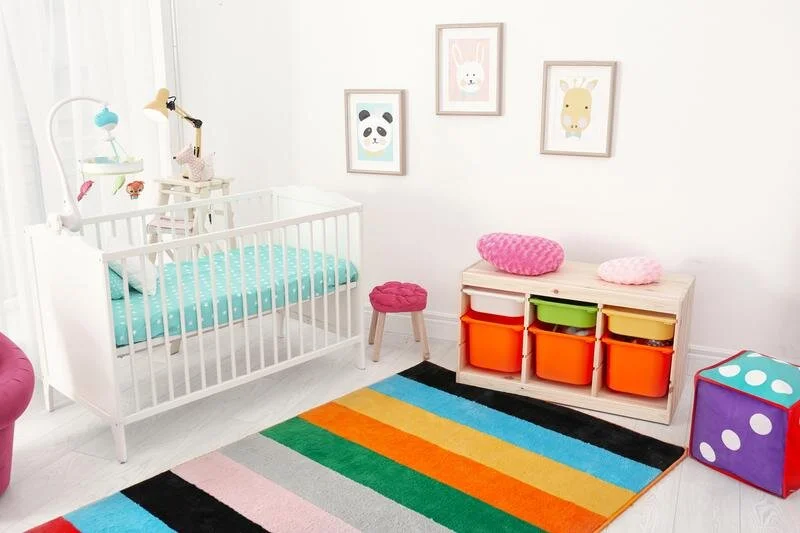
What to Consider When Choosing Fabrics for the Nursery
When you’re expecting, designing your baby’s nursery is one of the most special parts of preparing to become a mom. Decorating their room is one of the first things you do to express your love. There are several factors new parents should consider when choosing purchases for their nursery, but using the right fabric is especially important. Here are a few tips to help you pick the perfect fabrics for your baby’s room.
Safety
Any mom knows that safety always comes first. And when designing a room for your baby, it’s critical to know that the fabrics you choose are safe. There are a few safety considerations to remember:
Fire-resistant—Many baby bedding and clothing items are fire-resistant, but it’s vital to make sure the material you choose is fire-safe.
Sensitive skin—Babies have very sensitive skin. According to Mustela, they can be very prone to eczema. You must keep that in mind when choosing nursery fabrics.
Breathable—You want your baby to stay warm and cozy at night without getting overheated. Overheating can lead to fussiness or even skin problems. Breathability is a must.
Buying baby items from a reputable brand is a good way to make sure your purchases are safe for your little one.
Comfort
You want your little one to sleep easy in their new nursery. That’s why comfort must be a priority when choosing nursery bedding. Some choices are better than others, so it’s important to remember comfort—not just looks—when choosing fabrics for your nursery.
Wool, for example, is not the best choice because it can be scratchy or irritate the baby's sensitive skin. Satiny fabrics are also a bad pick because the baby may slide about and get caught up in the thin material. Fleece fabrics provide the ultimate in comfort for a baby’s room. These modern, manmade materials are cuddly and allergy-resistant. According to Sew Sweet Minky Designs, minky is 100 percent polyester and remarkably soft. It’s a great choice for any nursery.
Style
Decorating a nursery is one of the first ways to express your personal style as a mom. Some mothers want to design a pink room that’s fit for a princess. Others prefer a colorful place full of animals and natural elements. No matter what aesthetic you’re going for, there are a lot of options when looking for the right colors and designs to make your nursery as unique and adorable as your baby. Look for something that makes you comfortable when styling your baby’s little haven. The more comfortable you are, the more comfortable the baby will be.
Hopefully, this will help you navigate the thousands of choices that are available for nursery fabric. If you remember to consider safety, comfort, and style, you can’t go wrong!
Having a baby is an exciting time in any woman’s life. If you would like to capture the beauty of the relationship you have with your child, schedule a mother child portrait experience!

How to Reduce Your Child’s Exposure to Allergies
Allergies can bring about a variety of different symptoms. When a child is exposed to an allergen of some sort, they can experience stuffy nose, runny nose, itchy eyes, hives, trouble breathing, headaches, and even nausea. It’s important that you seek out a proper diagnosis for your child’s allergic issues. This can help you avoid the triggers. If you’re looking to reduce your child’s exposure to allergies, there are a number of things that you can do.
Use Air Filters
There are a number of different ways that you can utilize air filters to reduce allergen exposure. A HEPA filter can be used on your furnace to clean the indoor air that is being circulated throughout the home. You can also use a filter that has carbon integrated into the fibers as a way to reduce irritating odors like smoke, pet smells and pollution. A stand-alone air purifier can also reduce allergen exposure. Keep one in the most commonly used room of the home. You can also have one in your child’s bedroom to improve indoor air while they sleep.
Use a Mattress Pad
Mattress pads can help reduce exposure to things like dust and dust mites. A mattress pad will keep your child’s mattress enclosed in a casing. Even a new mattress can increase allergies. Without a mattress pad, an allergy prone individual can have a miserable experience trying to sleep. Mattress pads also have tons of other benefits that you will appreciate as a parent. They can help prevent stains from occurring on an expensive mattress. Additionally, most mattress pads will increase the degree of comfort while sleeping.
Keeping the Home Clean
It’s a good idea to employ a cleaning routine in your home as a way to cut back on allergens. Every few days you can dust surfaces, vacuum and sweep floors. This will be especially beneficial if you have pets in the home. Make sure you’re using products that are designed to effectively trap particles from returning to the air. You should also stay away from scented or harmful chemical cleaning products. They can actually end up further irritating sensitive nasal passages and airways. Consider using hypoallergenic products to prevent allergies.
Being diagnosed with allergies doesn’t mean your child has to suffer. They may have times of the year that are worse than others, but there are always ways that you can help prevent and treat symptoms. Reducing exposure to allergens is very effective when it comes to preventing those pesky symptoms that nobody likes to deal with.
A single picture can invoke powerful memories. Preserve the memories you share with your child by booking a photoshoot.

How to Help Your Child Feel Confident Wearing Their New Glasses
A child finding out that they need to start wearing glasses can be very upsetting for them. While many adults end up needing glasses, there isn’t always a large percentage of people who need to wear them from a young age. Your child may be very worried about this news. As a parent, you can take some of the steps that are necessary to help your child feel more confident with their new specs.
Let Them Choose
When your child first receives their prescription from a licensed eye doctor, there may be some requirements when it comes to selecting a pair of frames or lenses. In general, though, most kids will be able to pick out a pair of frames that they like based on how they look. There are many different colors, materials and styles available. You should let your child pick what they want as long as they are practical. If you want to compromise, you can find a location that has a deal on two pairs of glasses. You can pick one formal pair for your child, and your child can pick a fun pair that they like wearing.
They Are Not Alone
At a younger age, children who wear glasses don’t always need to wear them all the time. Because of this, it can be hard for your child to discern between who needs glasses and who doesn’t. Help your child understand that there are plenty of kids their age who need glasses just like they do. Children who wear glasses are far from alone—as much as 25 percent of school-aged children have problems with their vision. Some children’s classmates need them all the time, some wear them on occasion for distance, and other kids use them for reading. There’s no shame in needing glasses to see properly. To bring this point home, here are two recommended books to read with your child.
Share Your Experience With Them
If you wear glasses yourself, you can share this experience with your child. Talk to them about when you first found out that you needed glasses. You can listen to their concerns and help to put their mind at ease. Talk to them about when they’re older that contacts may be a solution. Above all, help your child to understand that glasses can be a positive thing and can help them to express their sense of style.
Needing to wear glasses isn’t the end of the world, even though your child might feel like it is. Make sure that you respect their opinion on the matter but help them to understand that this is the best choice for their vision. They might not want to wear their glasses, so this is something you should be prepared to address in the coming months.
Here’s another article you might like: How to Help Your Child Adjust Socially

Great Cleaning Habits To Teach Children While They're Young
Young children are at the perfect age to teach good habits to. They’re still evolving and can be easily molded which makes any teachings stick in their mind. Teaching your young children to clean properly will benefit you and your house in the long run. Here are some tips you can teach them that will stick with them for the rest of their lives.
Clean as You Go
Having to wash the dishes, fold laundry, and do everything else that keeps your home clean can be a real hassle. After all, you have plenty to worry about throughout your day. One of the best ways to prevent yourself from making a mess is to teach your kids to clean as they go. This means there shouldn’t be a pileup of dishes in the sink. Teach your kids to get up, clear their area, wash their plate, and properly rinse the utensils they’ve eaten with. Forming the habit of cleaning as they go will no doubt be very annoying at first, but soon it will simply be second nature to them and make your life a lot easier.
Have a Cleaning Day
Be sure your kids know how to keep their rooms clean. When it comes to cleaning their rooms, it's not all about making it pretty. It's also about making it safe for you, your kids, and the other members of your family. The dangers of slipping and falling can't be overstated. Piled up clothing, toys on the floor, and trash spread out across the floor can really become a risk to everyone. The importance of your kids having a safe room should be paramount. A great way to really get their rooms smelling and looking great is to dedicate an entire day to deep cleaning. You should schedule this time when your family is less busy, and especially not at night. Vacuuming is crucial to a clean room so you should create a vacuuming schedule that doesn’t interfere with any naps or bedtime.
Don't Just Focus on One Spot
There is probably a specific area in the house that gets the most use. While it’s important to make sure this area is extra clean, it should not be the area that gets all the attention when cleaning. Teach your kids to focus on lesser-cleaned spots, such as the corners of their room, the surfaces of furniture, and under their bed. Dust bunnies should be removed every week to avoid having serious air-quality problems arise. You must also keep an eye out for spilled liquids on the carpet as they can grow into all sorts of fungus and mold if left uncleaned. Explain to your kids that as soon as they spill something they should actively try to clean it up. Show them where the rags are and any spot cleaners for carpet.
At times, your home can get messy when you have young children. It can be tiring to be the only one who cleans up! By teaching your kids the tips above, they’ll be able to help keep the house clean and learn how to keep their future spaces clean.
Looking for photos of you and your children to display in your home? Let Panos Photography provide you with lasting memories!

Why You Should Emphasize Your Child's Dental Health
The state of your child's teeth and gums can play a role in their overall health when they become adults. This is why parents should teach children good dental habits while they are still young. Poor dental health and oral hygiene are considered risk factors later in life for several serious health ailments.
Teach Your Child Good Dental Habits Early
There are compelling reasons why you should teach and model good dental habits to your child early on in life. There are several secondary health risk factors associated with gum disease. Poor dental health may trigger other serious health diseases, like diabetes, heart disease, strokes, and even dementia. Additionally, poor dental health has been linked to problems during pregnancy and potential cancer development, according to medical experts knowledgeable about the latest research studies. By teaching your child good dental habits, you’re not only preventing health problems but setting them up with knowledge they can use the rest of their lives and even someday pass on to their own children.
Reduce Dental Costs
Not only is teaching your children healthy dental habits good for their health, but it will also save you money on costly dental work later on. Children who have significant dental problems in their early years are more prone to dental issues for the rest of their lives. Also, children often develop serious anxiety about going to the dentist that can further impede efforts to keep their teeth and gums healthy.
The high cost of dental work can include dental fillings, pricy caps and even costly cosmetic dental procedures if the dental issues are severe enough. Even with good dental insurance coverage, patients still are responsible for paying out-of-pocket deductibles, co-pays and other fees. Many people do not have dental insurance available to them.
Beautiful Smiles Instill Inner Confidence
When a child has a noticeable problem, like a smile that is less than perfect, they often try to hide the embarrassing issue by not smiling, covering their mouths with their hands and even withdrawing from social activities that they previously enjoyed. However, a beautiful and healthy smile helps to instill that inner confidence and high self-esteem that's so important for success in life. Dental issues that aren't corrected can also create difficulty with proper speech development.
Your teeth are a very vital part of your overall health. Taking the time to teach your children the proper way to care for their teeth can have long-lasting benefits. Those benefits include better overall self-confidence, better physical health and more money saved.
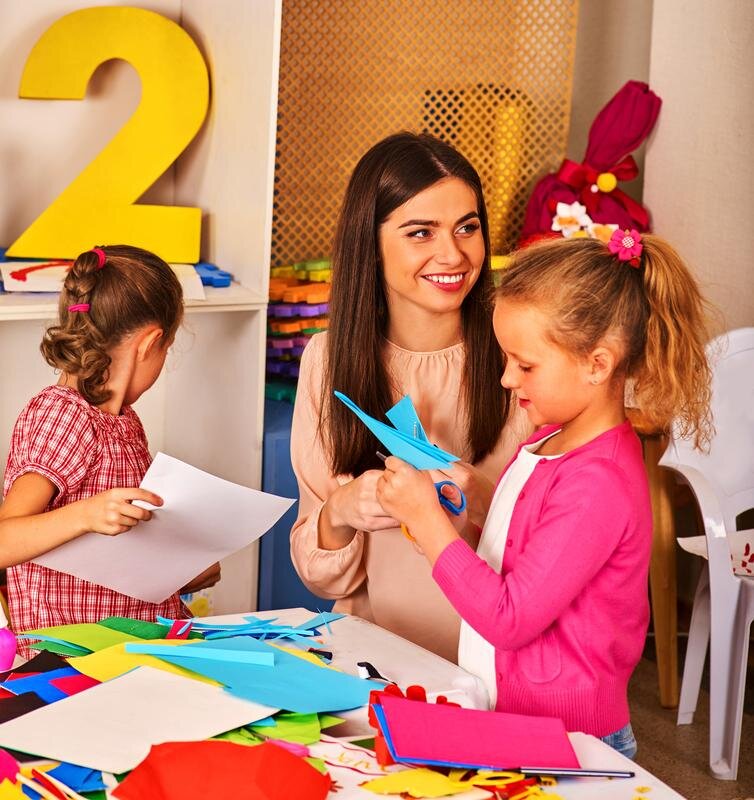
How to Help Your Child Adjust Socially
As a parent, you are always making sure that your child is getting what they need to grow in a healthy and well-adjusted manner. Nutritious food, plenty of exercise, and thoughtful educational materials are great building blocks to promote that growth, but what do you do when the developmental issue has to do with the child's personality? One of the most common of these is the difficulty some children have with socializing. The discussion below covers some of the best strategies to overcome this issue.
Set Up Playdates
A common strategy employed by parents to enhance their offspring's social skills is to get them together with another child. Setting up a play date can allow your youngster to express themselves more freely without the constraints of a classroom. In addition, you are going to be present at all times, and this may provide them with enough confidence to interact with their playmate. Positive results may take a few playdates, but they'll be well worth the effort.
Sign Them Up for Preschool
If a lack of social skills is the issue, there may not be a great deal you can do on your own. Your child is accustomed to you and the immediate family, and their behavior at home will not necessarily resemble their demeanor in other groups. However, interacting with those other groups is the whole point of social skills. Being surrounded by other children can begin to melt your youngster's shyness and require them to be considerate of others. It's wise to instill these good habits in your child by sending them to preschool. There are many other reasons you might want kids to start school before kindergarten. They can develop skills that will keep them abreast or ahead of their intended grade level. Studies indicate that children who begin school earlier tend to do better during their later educational years.
Teach Communication Skills
Communication is at the heart of social interaction. This is an essential ability your youngster will need. As a parent, you should begin preparing your child for conversations. Children ought to be encouraged to express themselves freely but also taught to listen. They should be told that interrupting others is rude.
A child having social issues is not uncommon. Learning to interact with others is a big transition. Though it can be rather difficult in the beginning, children can learn to hone social skills for future application.
Let us help you document your child’s growth! Contact us to schedule your child’s photoshoot today!

Tis the Season: Tips for Having a Joyful and Stress-Free Christmas With Your Family
Whether snuggling up to watch a Christmas movie or watching your children open gifts, the Christmas season is full of opportunities to make happy memories that will last a lifetime. This guide will help you streamline your Christmas preparations so that you can maximize your family time and experience true joy during this special time of year.
Christmas Shopping
The Christmas holidays are the busiest shopping period of the entire year. Stores often have long lines, and popular items may sell out quickly. When you're out shopping, just keep in mind that the holiday rush can lead to injury. To minimize these risks, try to give yourself plenty of time for your shopping trips and take a list of the gifts you need to purchase. You may want to try reserving your presents online; this way, you can go to a pickup desk at the store where your purchases will be ready for you. You could also try splitting your shopping between online purchases and brick-and-mortar stores to save more time.
Decorations
Decorations help you and your family get into the holiday spirit and allow you to showcase your personal style. Inflatable snowmen, reindeer, and Santa bring a fun element to outdoor decorating that your kids will love, and wrapping clear or colored lights around outdoor trees or vines is another way to show holiday spirit. You might want to decorate an outdoor tree with oversized ornaments as well.
For indoor decorations, string your lights on your Christmas trees in a vertical direction to cut down on time. Consider having one large tree for the main room and smaller trees for your children's bedrooms. Themed trees are very popular, and you could let your kids pick out a theme for their tree. Tropical, Nordic, and red-and-green themes are some of those that you might consider.
For a twist on tradition, you could opt for a tinsel or feather tree. Kids love making their own Christmas ornaments, and they often enjoy making ribbon garlands, old-fashioned popcorn strings, gingerbread houses, and homemade cards. These activities are fun to do as a family. You can do one activity each weekend to keep things simple and enjoyable.
Food
The holidays are the perfect time to get creative with recipes in the kitchen. Whether you're updating a classic recipe or trying something entirely new, preparing ahead of time< will help keep things pleasant. Consider using weekends before the Christmas break to bake casseroles, pies, cookies, and other dishes that can be frozen in advance of the festivities. If you've got a large number of sweets to make, split the work up by inviting your kids and other family members to bake alongside you. You could even host a baking party with family and friends by putting on some Christmas carols and having some snacks. If you're pressed for time, consider purchasing some of the baked goods or main dishes that you need. These can be purchased from grocery stores and online retailers.
Christmas can seem like a stressful holiday, but luckily there are some things you can do to make it a little easier. With a little preparation and some help from others, you can have a relaxing, restful, and magical holiday season.
Want to give a great gift of fine art for Christmas? Schedule a couture experience with us today!

How Young Is Too Young for Sports?
With the ongoing debate around contact sports and their impact on those who play them during and even for years after their playing days are over, a lot of parents are concerned (and rightly so) about allowing their children to participate in sports. Plenty of parents are concerned about the physical and possible mental ramifications of their children participating in high-stress sports. Here's a quick look at a few things to take into consideration when you're weighing the pros and cons of signing your child up for youth sports.
Rule of Thumb
Studies have shown that children under the age of 6 should not even be participating in organized sports; instead, steer them towards general activities. A lot of people hold to the idea that putting their children in organized sports will teach them a greater sense of responsibility early in life, a level of commitment, and a host of other life lessons that your child will learn (through your tutelage) as they grow and mature. Allowing your 4-year-old to focus more on general play activities will benefit them long-term mentally and physically, as several of the motions used in competitive sports aren't natural for toddler muscles. There's nothing wrong with waiting until your child is closer to 10 years old to introduce organized sports into his or her routine. And even then, it's crucial to remind them that sports are about teamwork and fun more than the competition.
Myth Buster
Parents who allow themselves to live their lives around their three children participating in nine different sports will often defend it by saying, "We want him/her to learn about hard work and dedication." If they don't go with that, they'll talk about college scholarships and dreams of professional stardom. First of all, your child can learn lessons about hard work and dedication that they will carry with them through their lives with or without sports. Are sports a great tool? Absolutely. But so are summer jobs, chore charts, and a host of other things. You have to go with what you know is best for your child. It's also worth noting that according to the NCAA, only 2 percent of high school athletes get collegiate scholarships for athletics. You know your child, and you have his or her best interests at heart. Playing competitive sports before the age of 10 probably won't get your child into college for free.
Word of Caution
While every sport comes with a certain amount of risk, some sports, like football come with inherently more risk of physical injury. Mainstream media sources have long been covering the ongoing lawsuit and scientific studies concerning concussions and former NFL players, and it's certainly something to look into. Even without concussion symptoms, head impacts have been linked to long-term damage. It's important that you not only weigh out the risks and rewards of allowing your child to play sports but that you also make sure to stay in tune with what he or she is saying about their body's reaction to those sports.
Ultimately, youth sports aren't going anywhere, and they shouldn't. They do teach life lessons, they do develop skill sets, and they're a great mechanism for some children. However, only you and your family can decide what works best. But before making that decision, look at the research and make sure that your child is old enough and physically mature enough to safely take part.
Here’s another article you might like: Developmental Issues to Watch for in Your Child's First Months of Life